 Brick, NJ
Garage Door Roller Replacement for Brick Homes
Worn or cracked rollers on a 1960s-70s Brick garage door grind, bind, or jump track in cold weather. We replace rollers and get you back to one smooth door.
How Long You Are Without the Door
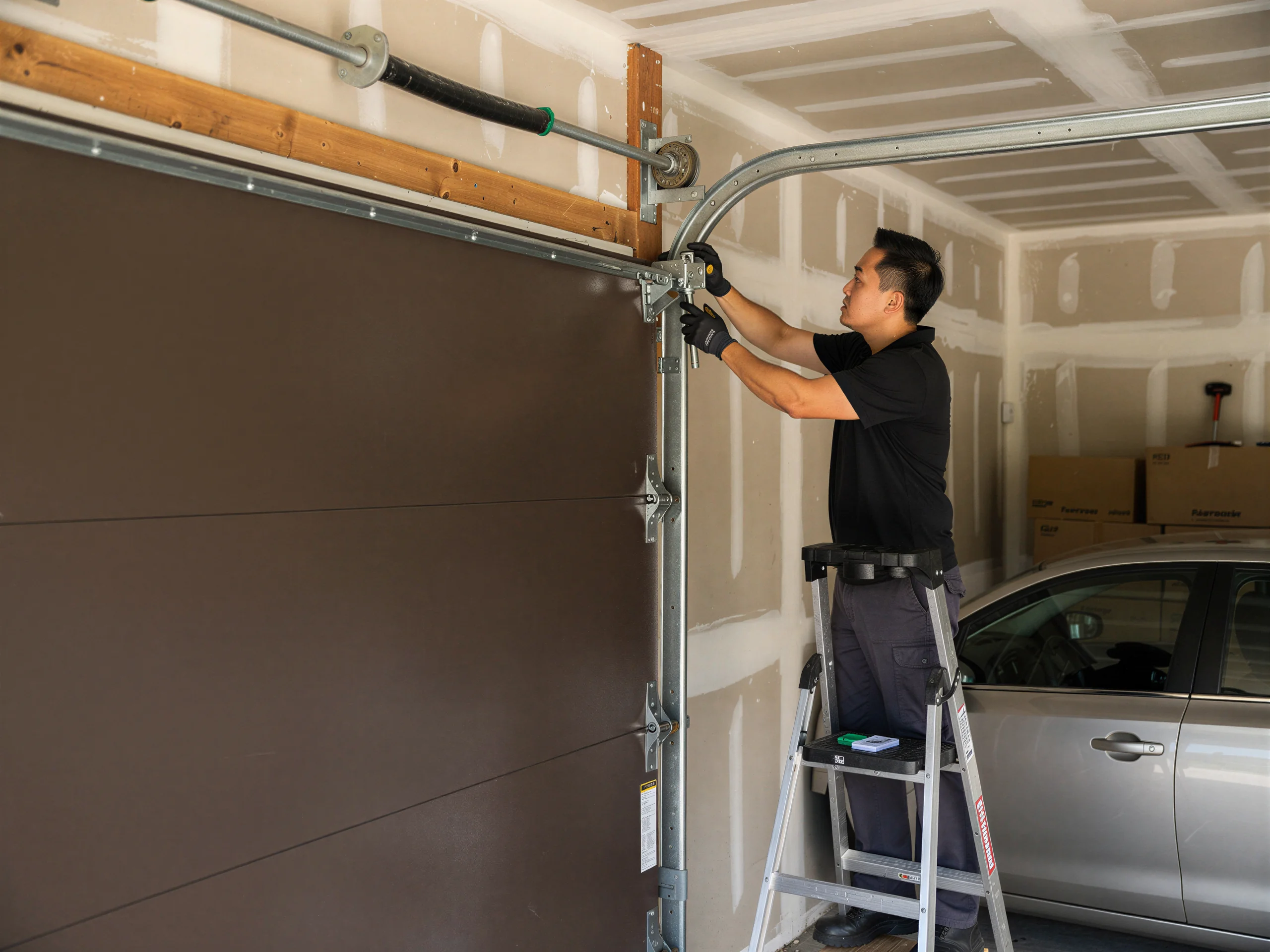
Roller replacement is not an all-day job. Once we're at the house, swapping a full set of rollers on a double door usually means the door is off its track for under an hour, and you're opening and closing it again before we leave.
Cold-snap roller demand
The longer wait, if there is one, is getting a truck out during a cold snap when half the service area is calling about the same symptom at once - stiff grease and brittle nylon rollers acting up together. If your track is also bent or the hinges are pulled from the panel, that adds time, since we're no longer just swapping a wheel, we're straightening or replacing hardware too.
Diagnosis on arrival
We'll tell you on arrival which job you actually have before any work starts, not after. Most houses we get called to across this area were built between 1938 and 2005, with a lot of that stock going up in the 1960s and 70s.
Original steel rollers jumping
That means original steel rollers on steel track, groaning through forty-plus winters, and by the time an owner calls, the roller has usually already jumped the track at least once. That's the point where "it's noisy" becomes "it's stuck halfway open," and the clock starts for real.
What You Are Seeing
The early sign is sound, not failure: a grinding or clunking as the door travels, loudest right where the roller passes a track bracket. Builder-grade steel rollers from that 1960s-70s wave of construction ride on exposed bearings with no seal, so decades of garage dust and road salt tracked in on tires work their way into the wheel itself.
Cracked nylon wheels
Nylon rollers fail differently - the wheel itself cracks or chips, and you'll sometimes find small white or gray plastic fragments on the garage floor below the track.
Oval or loose rollers
Visually, look for a roller that's gone oval instead of round, a wheel sitting loose on its stem, or a door that rides crooked - higher on one side as it opens because one roller is dragging and the other is catching cleanly.
Single-side track jump
If the door jumps the track on one side only, that's almost always a roller or the bracket holding it, not the opener. A door that's merely loud but still travels straight and level is a different, cheaper fix than one that's already left the track.
What Causes It Around Here
Three things line up on garage doors across this part of New Jersey and push rollers to fail earlier than the national average. First is the housing stock itself: with median construction around 1968 and a heavy concentration of 1960s-70s builds across the area, a huge share of doors are still running original or first-generation replacement rollers on track that was never upgraded. Second is the climate - this is a severe cold-winter zone, and cold does two things to a roller: it stiffens whatever lubricant is left in a steel bearing until the wheel starts to drag instead of spin, and it makes aging nylon wheels brittle enough to chip or crack under normal use, not misuse. A roller that would merely squeak through a mild winter can shatter through a cold one.
Third is plain mileage. A door built in the 60s or 70s that's still on its original hardware has gone up and down tens of thousands of times with no roller service in between. Add a short stretch of hard cold and a roller that was already marginal gives out. None of this means the opener or the springs are at fault - rollers are a wear part, and in this area they wear on a predictable schedule tied to age and winter, not bad luck.
What It Costs
We don't publish a flat number here because roller jobs aren't all the same job. A full-set replacement with standard steel rollers is a different cost than upgrading to sealed-bearing nylon rollers, and both are different again if the track also needs straightening or a bent bracket needs to be reset - which happens more often than you'd think once a roller's been riding crooked for a while. We'll quote the actual repair once we've looked at the door, not before.
One honest limitation: if the rollers have been grinding long enough to chew up the track itself, roller replacement alone won't fix the noise or the binding - you're also looking at track replacement, and at that point it's worth asking whether the whole door assembly is due rather than patching it piece by piece. We'll tell you straight if that's where your door is instead of selling you rollers that won't solve it.
Questions
Common questions
Why do my garage door rollers only act up in winter?
Cold stiffens the grease left in an old steel roller bearing, so the wheel drags instead of spinning freely, and it makes aging nylon rollers brittle enough to crack under normal use. Given this area's severe cold-winter climate and the age of a lot of local garage doors, winter is when a roller that was already wearing out finally fails.
Can I replace just the worn rollers, not the whole door?
Usually, yes. Rollers are a wear part and swapping them is a normal, contained repair. The exception is if the track has been damaged from a roller riding crooked for a long time - then track work or a larger repair comes into the conversation too.
How do I know it's the rollers and not the opener?
If the door is loud or jumping track on one side while the opener runs normally and the door still moves under manual operation, that points to a roller or bracket, not the opener. A door that won't move at all, or reverses immediately, usually points elsewhere.
Are steel or nylon rollers better for an older Brick-area door?
Both work, but they fail differently. Steel rollers are durable but can seize in cold once the bearing grease stiffens. Sealed nylon rollers run quieter and resist the cold-brittleness issue better, which matters given how many doors here are original 1960s-70s builder-grade hardware.
Explore more
Explore More Services In Brick, NJ
Garage Door Installation for Brick Homes
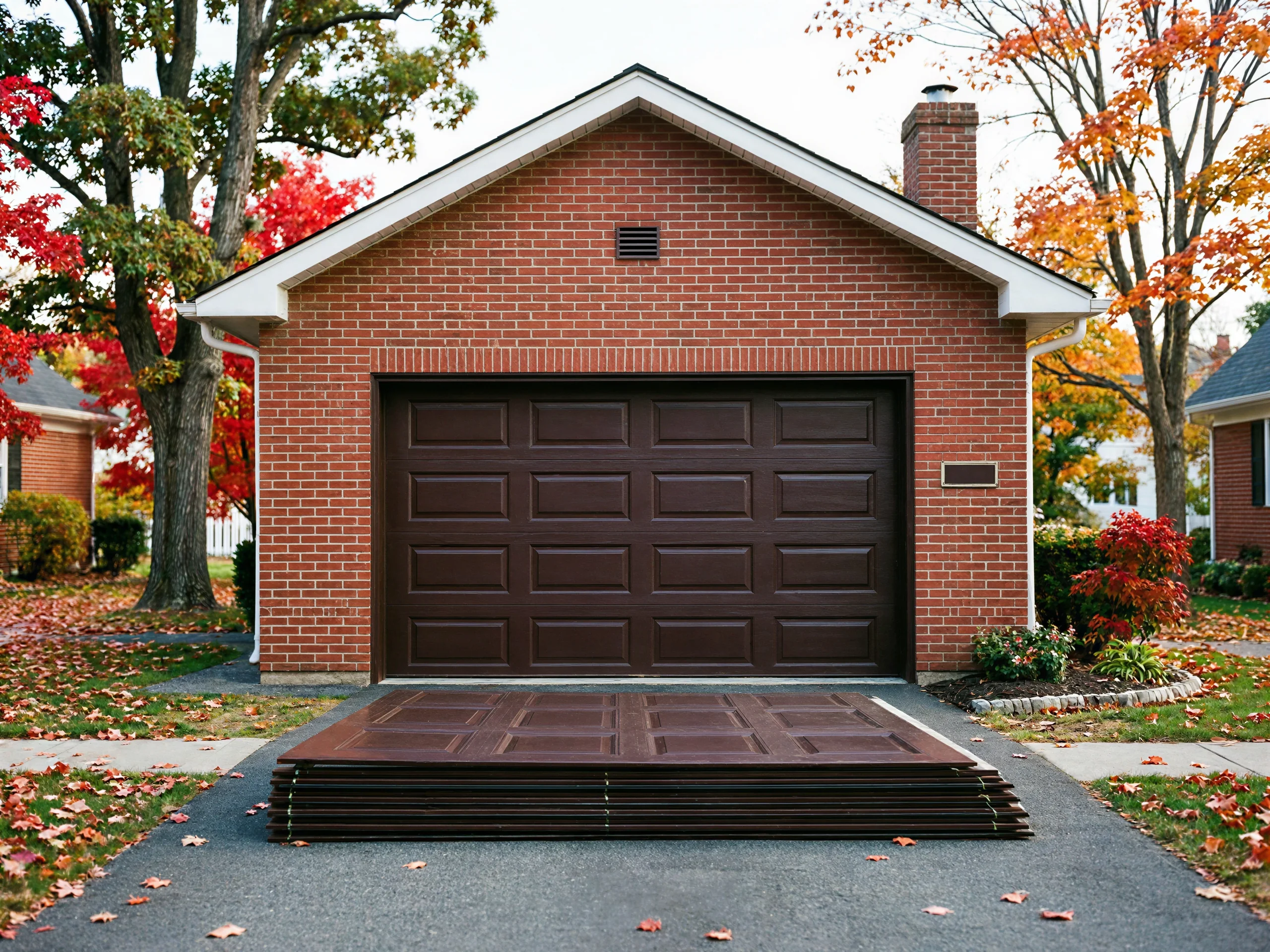
New garage door installation for Brick, NJ homes built 1938-2005, matched to original rough openings and sized for coastal cold-climate wind and ice loads. Learn more →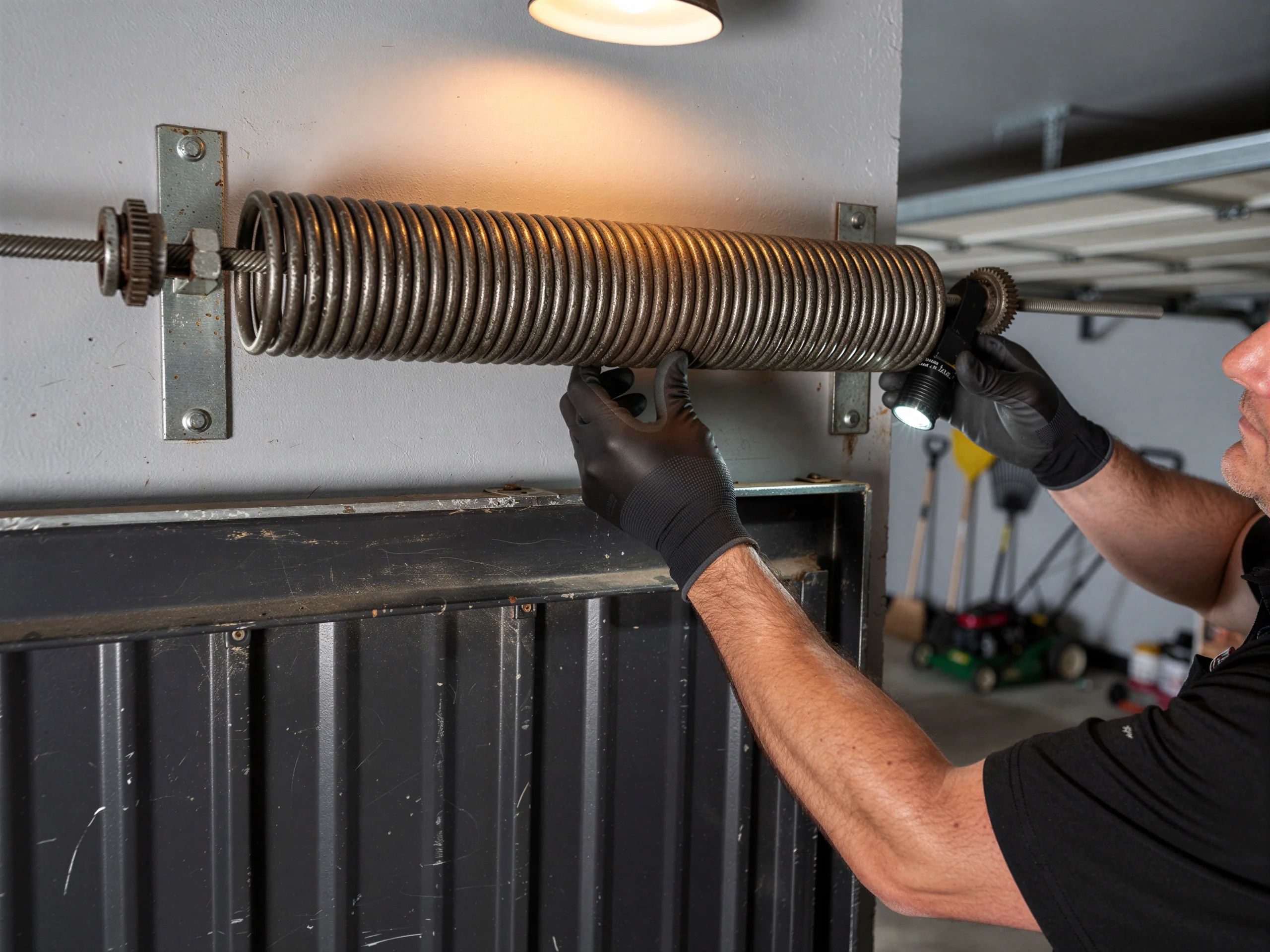
Garage Door Spring Repair Around Brick
Broken torsion spring on a Brick, NJ garage door? Learn more →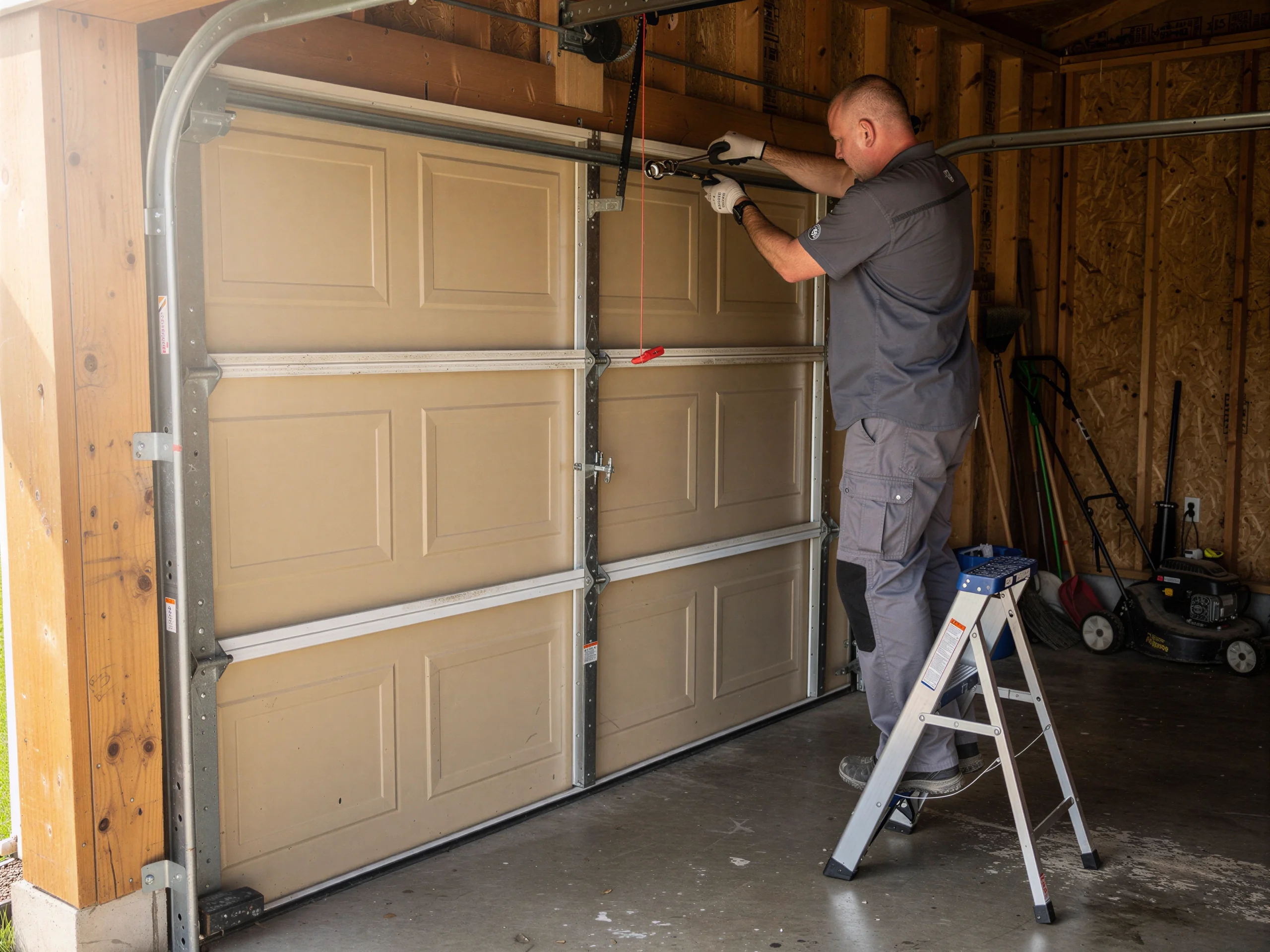
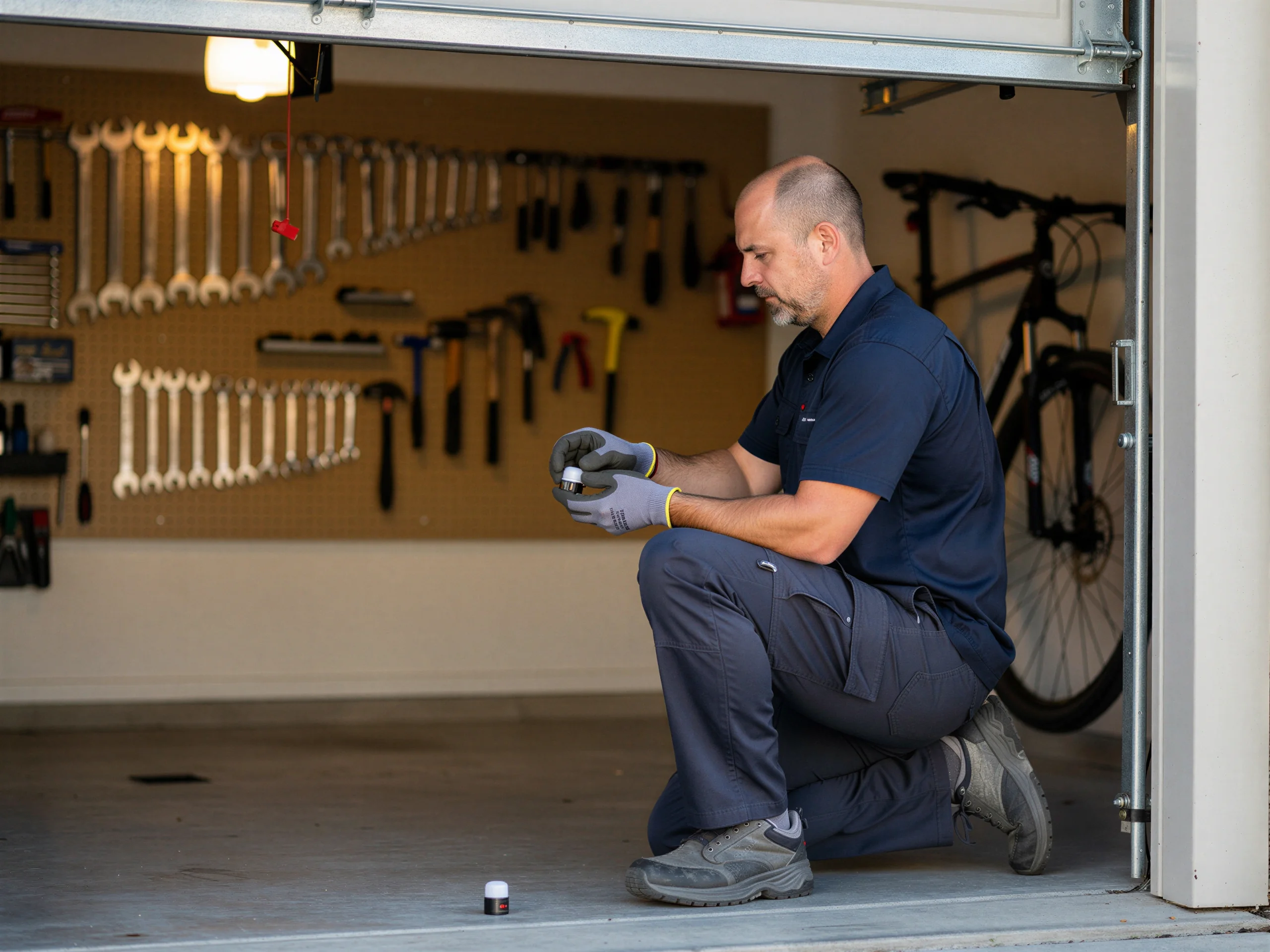
Garage Door Repair for Brick, NJ Homes
Garage door repair in Brick, NJ for homes built 1938-2005. Learn more →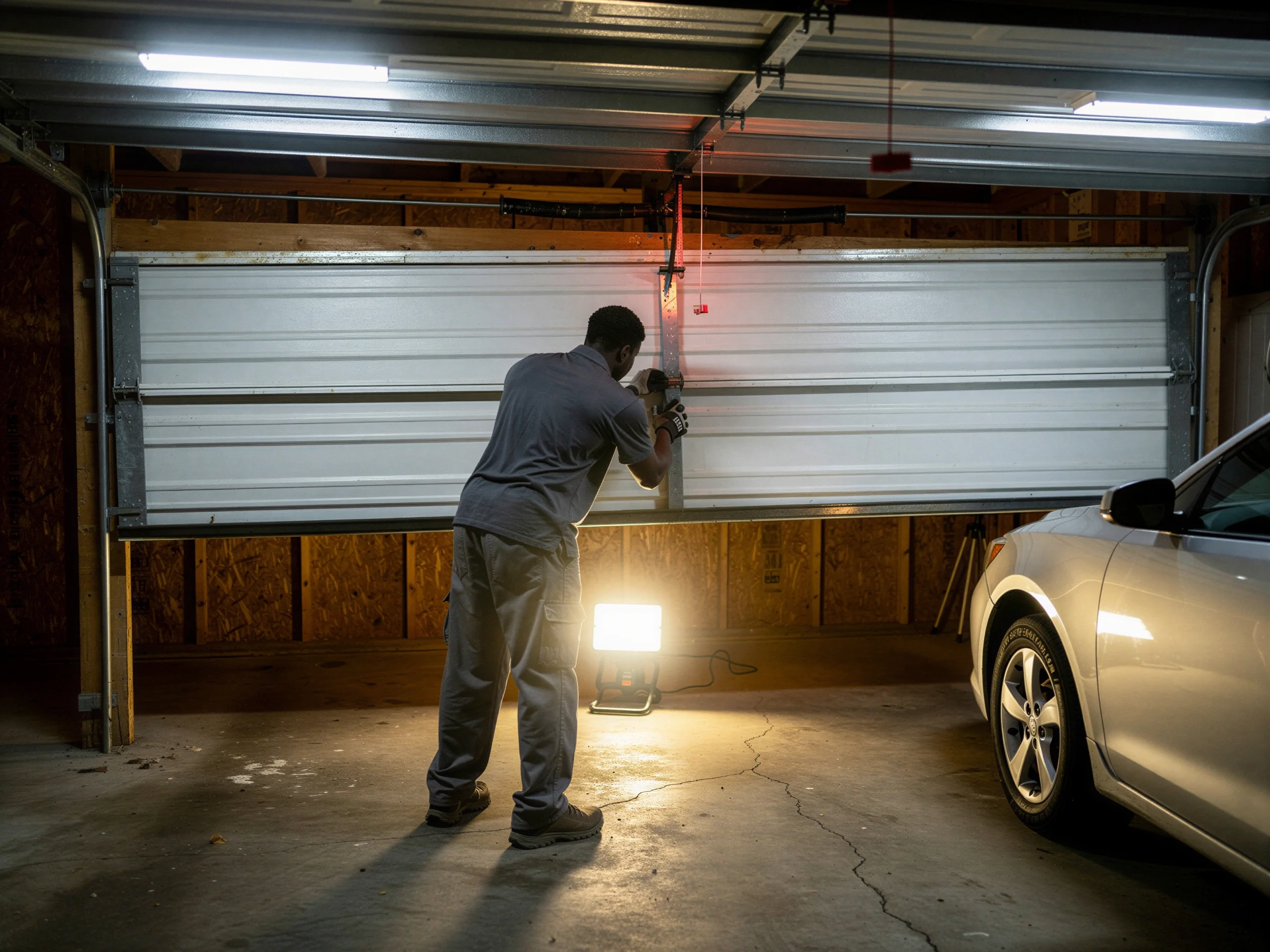
Emergency Garage Door Repair Across Brick, NJ
Broken spring or dead opener in Brick, NJ? Learn more →
Garage Door Opener Installation Across the Brick Service Area
Opener installation and replacement for Brick NJ homes, where original 1960s-70s chain-drive units and cold winters push gears and circuit boards past their limit. Learn more →Ready when you are
Noisy or worn garage door rollers in Brick?
Brick Garage Door Pros repairs and installs garage doors, springs and openers in Brick, NJ and the surrounding area.