 What Brick's Older Housing Stock Means for Your Garage Door
Most Brick, NJ garage doors date to homes built 1938-2005, many with no insulation for this area's severe cold winters.
Older Doors in Brick: What's Worth Fixing, What Isn't
Brick, NJ homes date from 1938 to 2005. Here's how to judge whether an older garage door and opener are worth repairing or need replacing before winter.
Local detail
What Is Going On
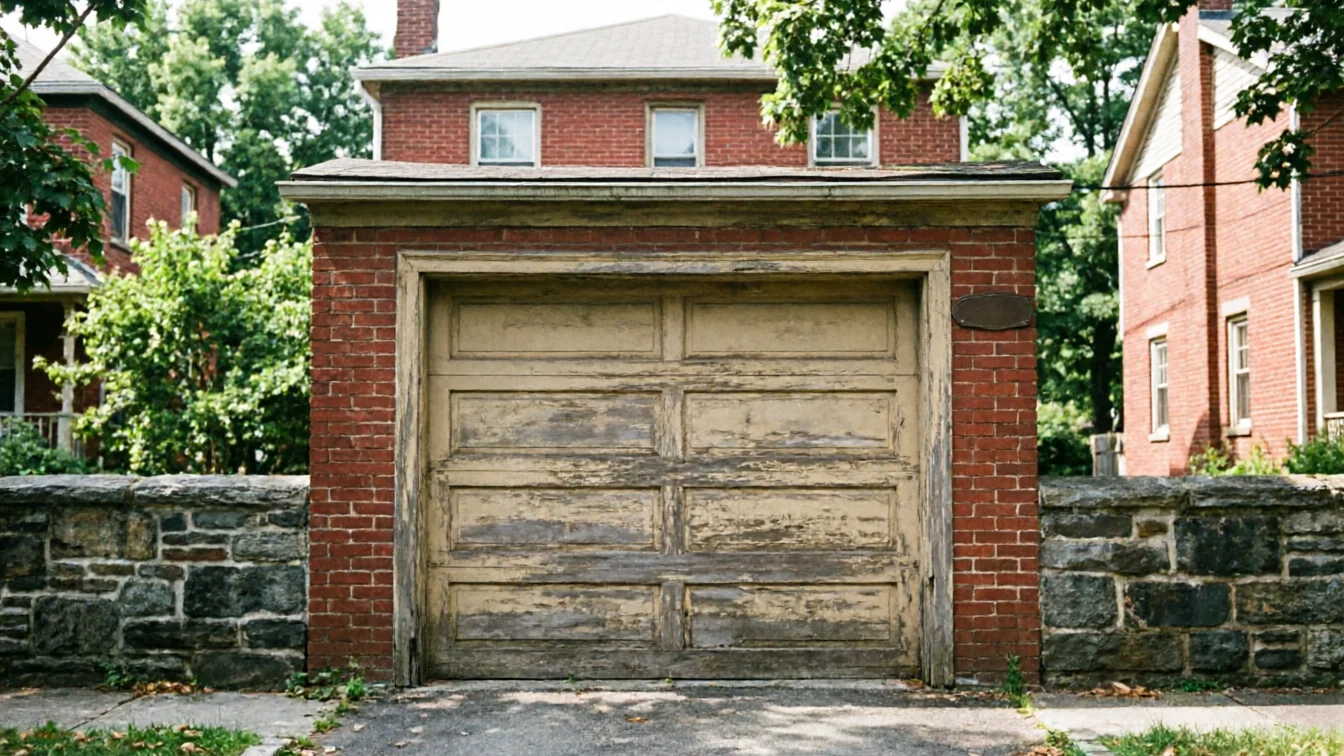
Most houses in Brick went up between 1938 and 2005, with the median build year landing around 1968. That's a long run of construction, and it means the garage door behind any given driveway could be anything from a hollow 1960s steel slab on extension springs to a mid-2000s insulated door with a torsion bar overhead. Across the 50 named sections that make up this area, the mix leans heavily toward 1960s and 70s stock, which is the era when a lot of tract housing went up fast and doors were built to a price, not a lifespan. A door from that era isn't automatically junk. Steel doesn't fatigue the way springs and cables do, and plenty of those original panels are still straight and square decades later. What fails first is almost never the door itself - it's the hardware doing the lifting. Springs, rollers, and the opener motor all have a duty cycle, and a door installed when Nixon was president has usually been through two or three openers and at least one spring replacement already, whether the current owner knows it or not.
The area
When to Get Help
Call before the door fails all the way, not after. A door that's gotten noticeably heavier to lift by hand, or that slams the last foot instead of settling, is telling you a spring has lost tension - on a house from Brick's older sections, that's frequently a single torsion spring rated for a lighter door than what's hanging on it now, a mismatch left over from a past panel swap. A door that shudders or binds partway up usually means the track has racked out of alignment, common once a slab has settled over 50-plus years. If you hear the opener motor straining but the door barely moves, don't keep hitting the button - that's how you burn out a motor that might otherwise have had years left. Any door still running original 1960s or 70s extension springs without a safety containment cable is worth a look regardless of how it's performing, since those springs can let go without warning. We'll tell you straight when a repair makes sense and when the frame, track, or opener has aged out and replacement is the better money.
What we find
Checking It Yourself
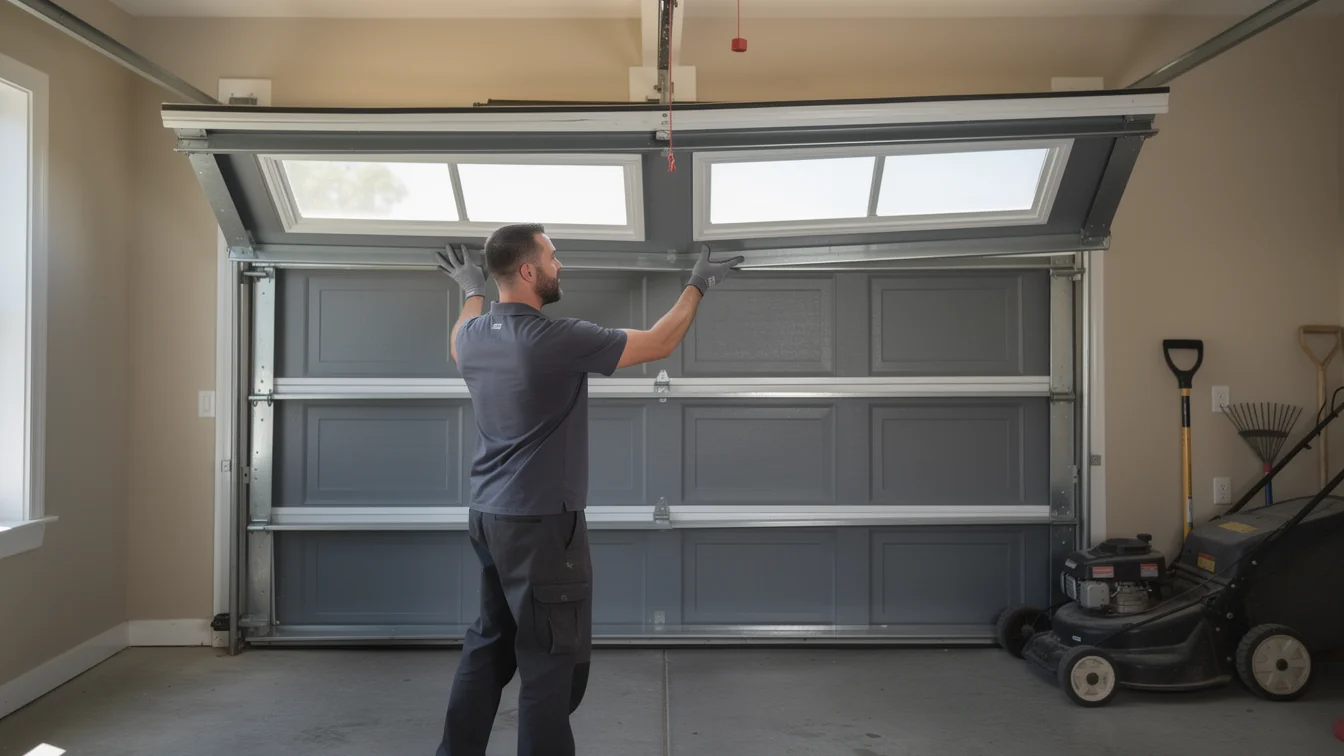
You can do some of this without a truck showing up. Pull the manual release and lift the door by hand - it should move smoothly and stay roughly where you let go. If it crashes down or shoots up, the spring tension is off and that's not a DIY spring job; torsion and extension springs are under real load and we don't recommend homeowners touch them. Look at the rollers: cracked or worn-flat nylon rollers on a door built before the 2000s are usually original and due. Check the weatherstripping along the bottom and sides - on older Brick doors this is often brittle or missing outright, which matters more here than it would somewhere with a milder winter. What you shouldn't do is keep forcing a door that's binding, or disconnect a safety sensor to get an opener working again. Those are the two fastest ways to turn a $200 repair into a replacement.
How we work
What Local Conditions Do
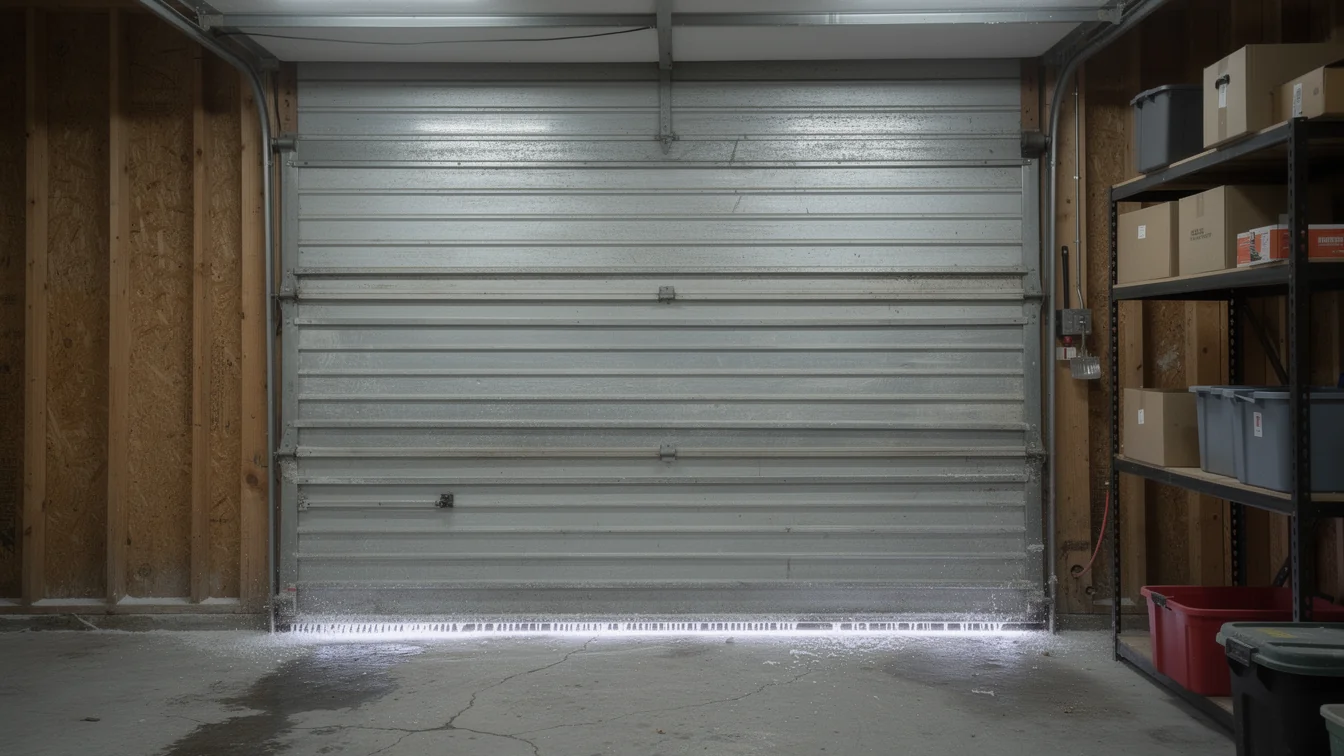
Brick sits in a climate band rated cold and severe, and that shapes how a garage door ages here more than almost anything else. Cold steel contracts, and on an older door with a worn seal that means a gap wide enough to let wind straight through on a January night. Lubricant on hinges and rollers thickens in low temperatures, which is part of why a door that worked fine in October suddenly groans or sticks once it drops below freezing. Torsion springs lose a measurable amount of lifting power in the cold, so a spring that was already marginal in a house from the 1960s or 70s stock common across this area is far more likely to fail on the coldest morning of the year than in July. None of this means every older door needs replacing before winter - a sound door with a fresh seal and lubricated hardware handles a Brick winter fine. It means the margin for a tired spring or a cracked seal is smaller here than it would be somewhere with a milder climate, and it's worth checking before the cold exposes it for you.
Questions
Common questions
My garage door is original to a house built in the 1960s - is it too old to repair?
Not necessarily. Steel doors from that era often still have a straight, solid panel - the age usually shows up in the hardware, not the door itself. If the track is straight and the panel isn't rusted through, replacing the spring, rollers, and weatherstripping is often cheaper than a full replacement.
Why does my garage door get harder to open in winter?
Brick sits in a cold, severe climate band, and cold steel and thickened lubricant both add resistance. A torsion spring also loses some lifting power as temperatures drop, so a spring that was already weak tends to show it on the coldest days first.
Is it safe to replace a garage door spring myself?
We don't recommend it. Torsion and extension springs are under heavy tension and can cause serious injury if released wrong. Checking rollers, weatherstripping, and balance by hand is fine - the spring itself is a job for someone with the right bars and clamps.
How do I know if I need a new opener instead of a new door?
If the door itself moves smoothly by hand once disconnected from the opener, the door is fine - the problem is almost always the motor, gear, or logic board. Doors from the 1960s-70s stock common in Brick often have had two or three openers already; the door usually outlasts the opener.
Recommendation
You Might Also Like
More garage door guides for Brick homeowners.
What Brick's Older Housing Stock Means for Your Garage Door
Most Brick, NJ garage doors date to homes built 1938-2005, many with no insulation for this area's severe cold winters.
 When Your Opener Dies in a Power Cut, Brick NJ Edition
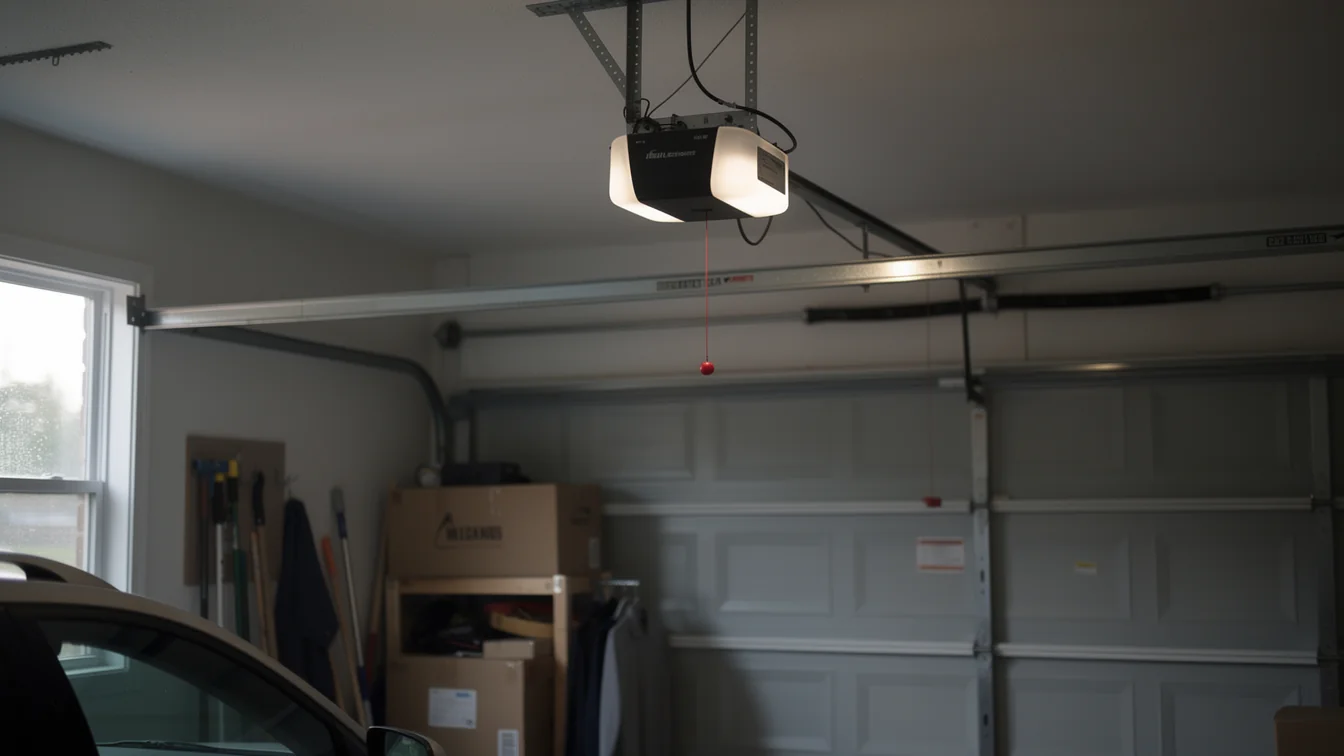
Why Brick's older housing stock and severe cold make openers quit during power cuts, what to check yourself, and when the manual release isn't enough.
 What a Technician Checks First in a Brick, NJ Garage
In Brick, NJ homes built between 1938 and 2005, a technician checks springs, tracks, and opener wiring first - here's what that inspection actually involves.
Ready when you are
Need a garage door sorted in Brick?
Brick Garage Door Pros repairs and installs garage doors, springs and openers in Brick, NJ and the surrounding area.