 Off-Track Doors: What's Really Happening in Brick Homes
Brick homes built between 1938 and 2005 carry original track hardware that wasn't made for decades of coastal cold.
What We Actually Do When We Show Up for a Service Call
A straight look at what our techs check on a Brick service call, built around homes from 1938-2005 and the coastal-cold swings that wear doors out fast here.
Local detail
What Is Going On
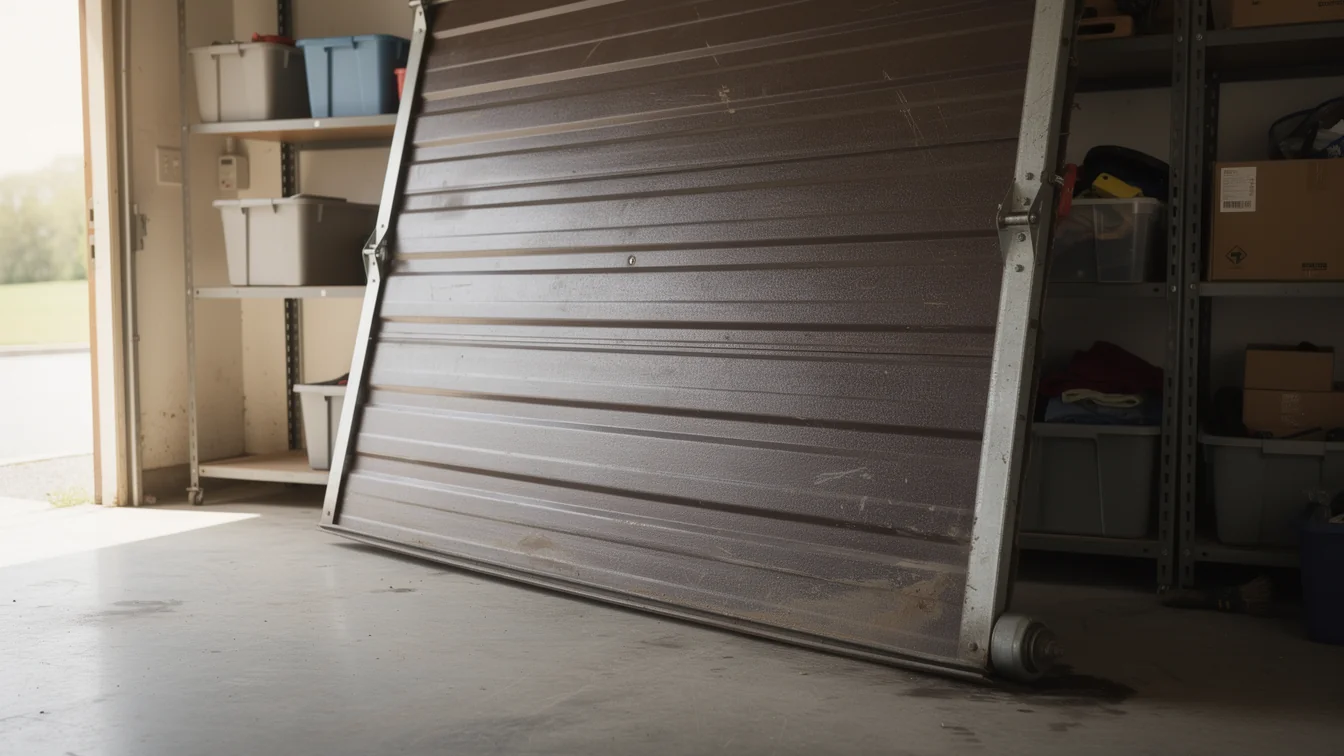
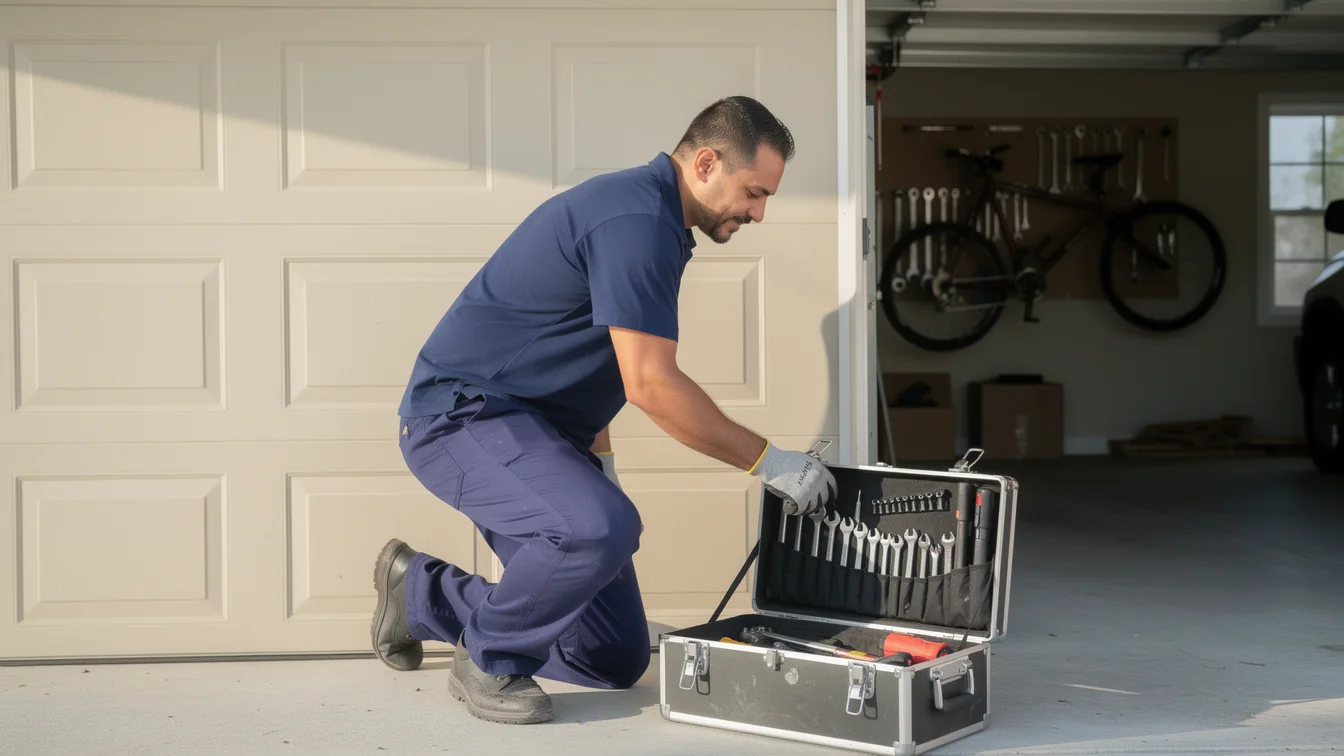
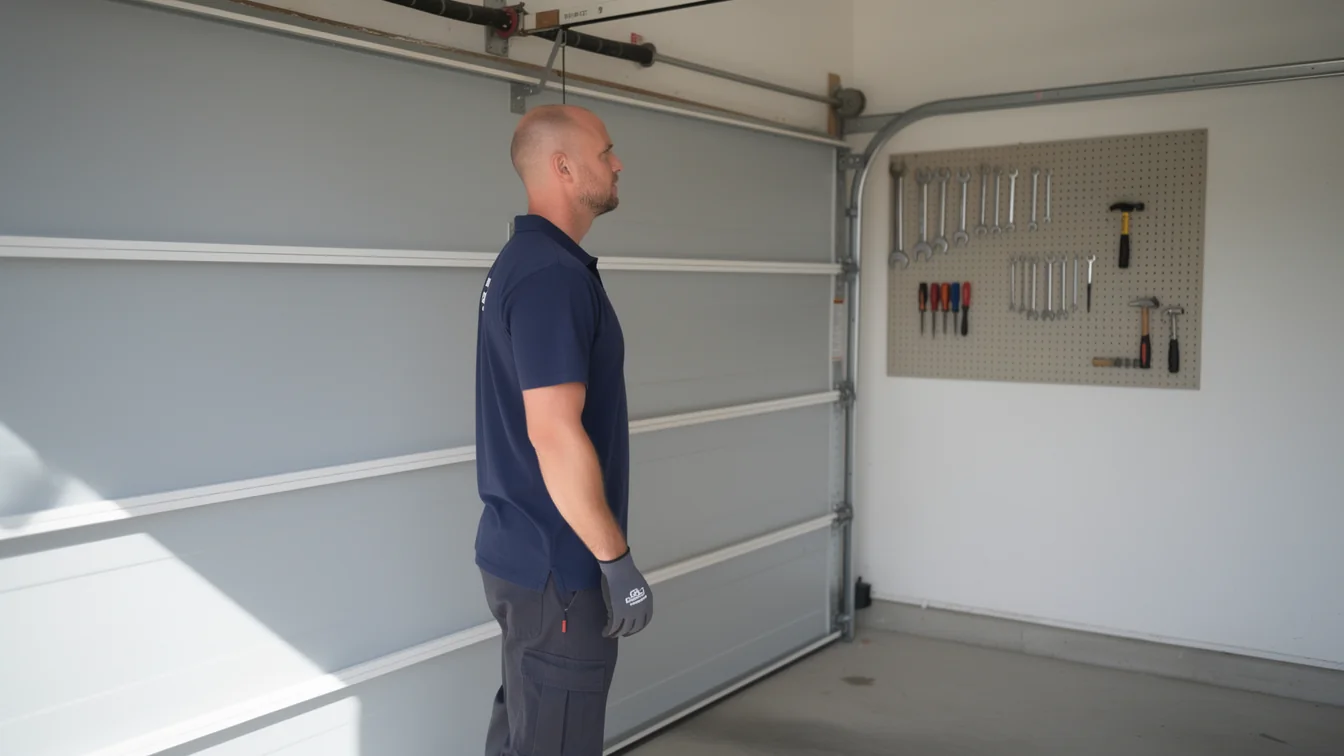
A service call in Brick almost always starts with a door that's doing something it didn't used to do: it hangs up a foot off the floor, reverses on its own, or the opener runs but the door doesn't move. Most of what we find traces back to the age of the house. Housing across this service area was built mostly between 1938 and 2005, with the median landing around 1968, and most of the 50 named areas we work in are solidly 1960s-70s stock. That means a lot of original or first-replacement hardware - torsion springs rated for a lighter door than what's on the track now, or rollers that have outlived three openers. On a call, we're not guessing at a generic checklist. We're pulling the door off its stops, checking spring wind count against door weight, and looking at whether the track was ever reset when the slab settled, which happens a lot on homes this age. We also check the opener's force settings, since a lot of homes still run openers installed well after the original door and never recalibrated to it. None of this is dramatic. It's mechanical wear on mechanical parts that have been doing the same job since the Johnson administration in some cases.
The area
When to Get Help
Call before the door fails completely, not after. A torsion spring that's visibly stretched or has a gap in one coil is going to break, and when it does on a door this old, the cable drums and bottom brackets usually need a look too, not just the spring. If the door shudders partway up, or the opener strains and clicks instead of pulling the door, that's load on a spring that's past its wind count - common on the original torsion setups still found on a lot of 1960s and 70s houses in this area. Get help immediately if a cable has frayed or jumped the drum; that's not a DIY fix and it's not safe to crank the door manually at that point. We don't push replacement on anything that can be repaired. A worn roller or a bent hinge is a parts swap, not a new door. But if the door itself has rusted through at the bottom panel from years of coastal damp and freeze-thaw cycling, repair stops making sense and we'll say so on the call rather than billing you for patchwork.
What we find
Checking It Yourself
Before you call, there's a few things worth looking at. Pull the emergency release cord with the door down and see if it moves by hand with reasonable effort - if it's heavy or binds, that's spring tension, not an opener problem, and it's not something to force. Look at the torsion spring above the door for a visible gap in the coil; a continuous spring is fine, a gapped one is close to failing. Check the weatherstripping along the bottom panel, especially on houses built before the 1990s in this area - vinyl that age cracks and lets cold air in, which is a cheap fix and not a reason for a full service call. Listen for grinding versus squealing: squealing is usually a dry roller, grinding is usually a bearing or track alignment issue. We can walk some of this over the phone, but we won't tell you to open the spring assembly yourself - that's the one part of the door that can put someone in the hospital, and it's the one thing on this list we'd rather just do.
How we work
What Local Conditions Do
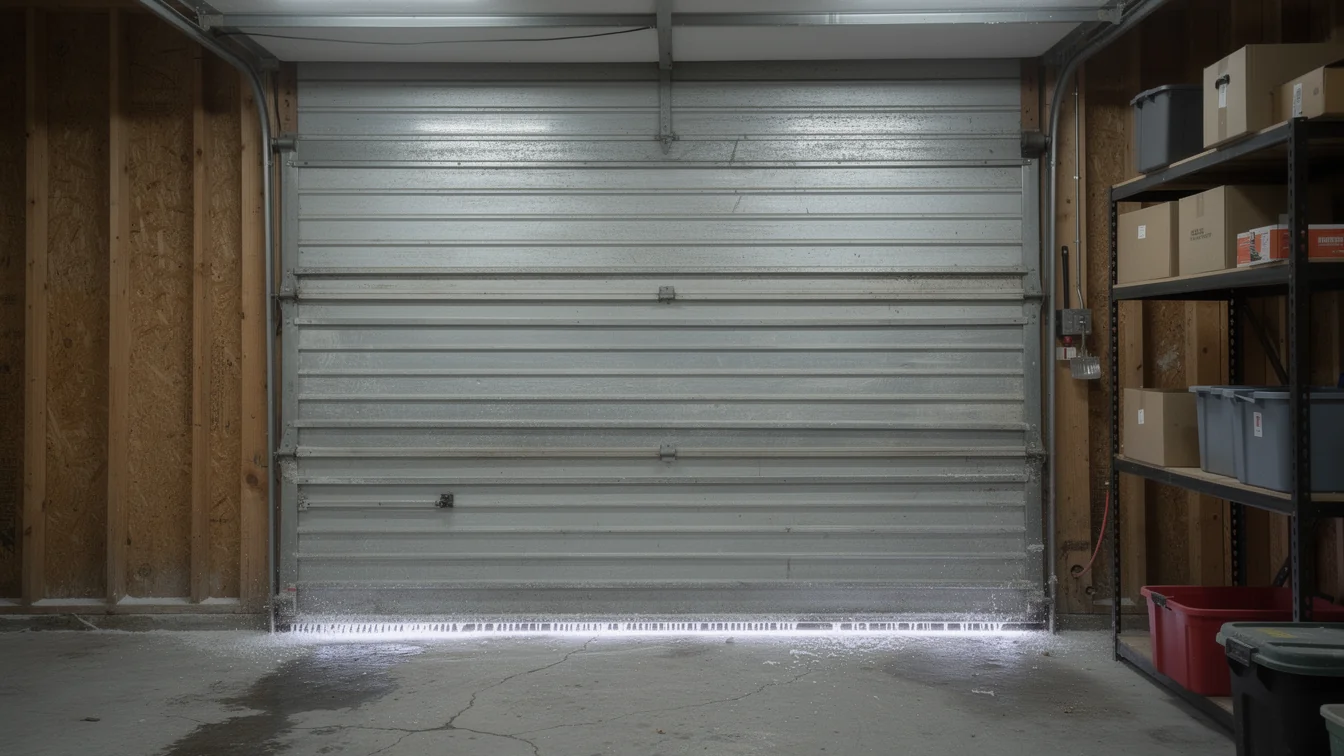
Brick sits in a cold-severe climate band, and that swing between summer humidity off the shore towns nearby - Point Pleasant Beach, Mantoloking-adjacent areas, Lavallette - and hard winter freezes is hard on steel and hard on seals. Springs cycle through expansion and contraction every season, which shortens their working life compared to a mild climate, and it's part of why a 1970s torsion spring here doesn't last as long as the same part would somewhere with milder winters. Tracks that were installed level in 1968 don't necessarily stay level after fifty-plus years of frost heave under the slab, which is something we check on every call rather than assuming the track is still square. None of this means every door in Brick needs replacing - plenty of original hardware is still serviceable if it's been maintained. But it does mean a service call here is checking for cold-weather fatigue and coastal moisture wear, not just loose screws.
Questions
Common questions
How old does my garage door have to be before repair stops making sense?
It depends more on condition than age, but a lot of the doors we see in Brick date to the 1960s-70s building boom here. If the panel's rusted through or the track has warped from decades of freeze-thaw, repair parts can cost close to what a new door runs. We'll tell you straight on the call which side of that line your door is on.
Why does my spring keep breaking every few years?
Brick's cold-severe climate means springs go through more expansion and contraction cycles yearly than they would in a milder area. On an older torsion setup, especially one sized for a lighter door than what's currently hung, that extra cycling shortens the spring's working life well below its rated count.
Do you service the shore-side areas near Brick?
Yes, we cover the area out to places like Point Pleasant, Mantoloking-adjacent towns, Brielle, and Manasquan. Houses closer to the water tend to show more corrosion on hardware, so a service call out that way often includes a closer look at hinges and bottom brackets.
Recommendation
You Might Also Like
More garage door guides for Brick homeowners.
Off-Track Doors: What's Really Happening in Brick Homes
Brick homes built between 1938 and 2005 carry original track hardware that wasn't made for decades of coastal cold.
 What Brick's Older Housing Stock Means for Your Garage Door
Most Brick, NJ garage doors date to homes built 1938-2005, many with no insulation for this area's severe cold winters.
 What That Noise From Your Garage Door Is Actually Telling You
Brick homeowners with 1960s-70s houses hear specific noises from cold-weather hardware fatigue.
Ready when you are
Need a garage door sorted in Brick?
Brick Garage Door Pros repairs and installs garage doors, springs and openers in Brick, NJ and the surrounding area.