 Replacing a Garage Door in Brick: What the Housing Stock and Winters Mean for You
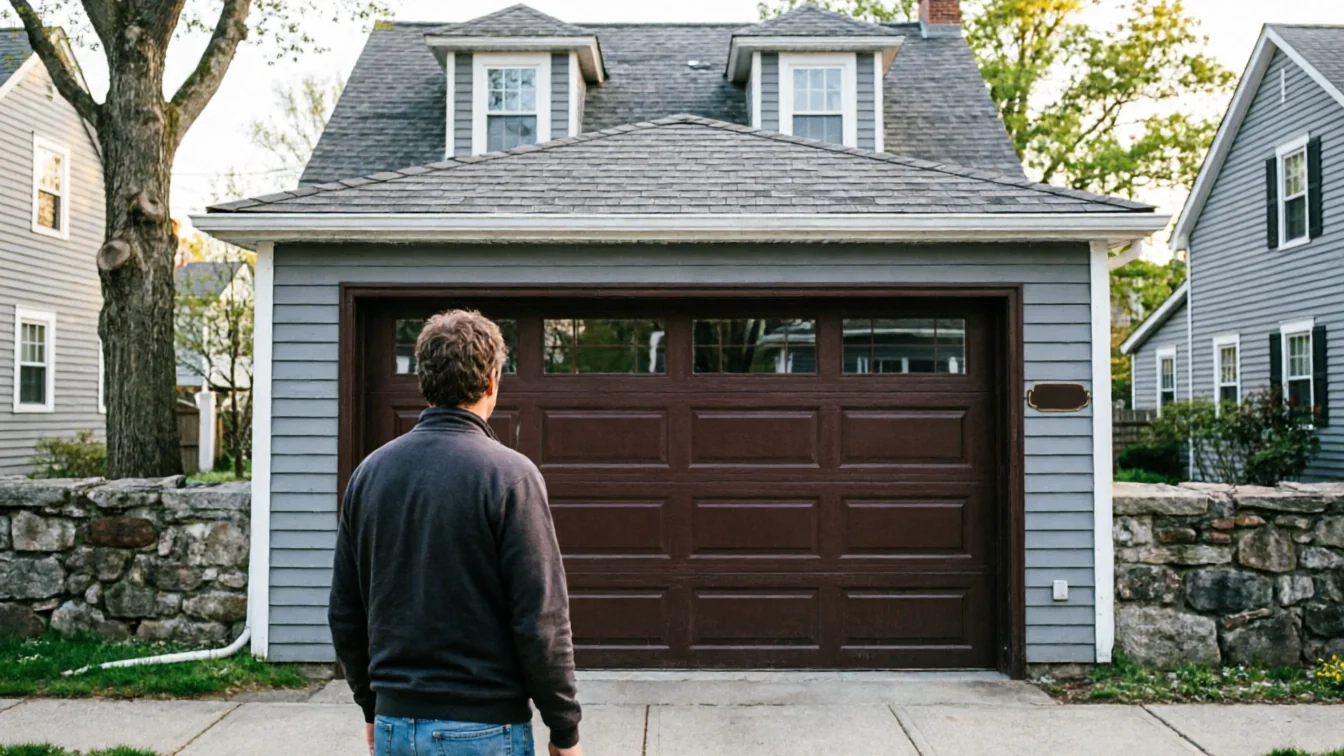
Thinking about buying a replacement door here in Brick, NJ?
What Brick's Older Housing Stock Means for Your Garage Door
Most Brick, NJ garage doors date to homes built 1938-2005, many with no insulation for this area's severe cold winters. Here's what that means for your door.
Local detail
What Is Going On
Brick's housing stock mostly went up between 1938 and 2005, with the thickest cluster of construction in the 1960s and '70s, years before any municipal code required insulated garage door panels. That median build year sits right around 1968, and it matters because garage doors from that era were almost always a single layer of steel or wood with nothing behind it. Nobody was asking for an R-value on a garage door back then - it just had to open and close.
What that means today is simple: if your house is original to its lot, there's a decent chance the door is too, or it's a direct steel replacement from a few decades back that copied the same single-skin design because that's what fit the opening and the budget at the time. These doors work fine as doors. They do a poor job of keeping the garage itself above outside temperature, which is a bigger deal here than it would be somewhere with a milder winter.
This isn't a defect or a mistake anyone made. It's just what building standards looked like when most of this town was framed up, and it's the baseline you're working from if you haven't already swapped the door out.
The area
When to Get Help
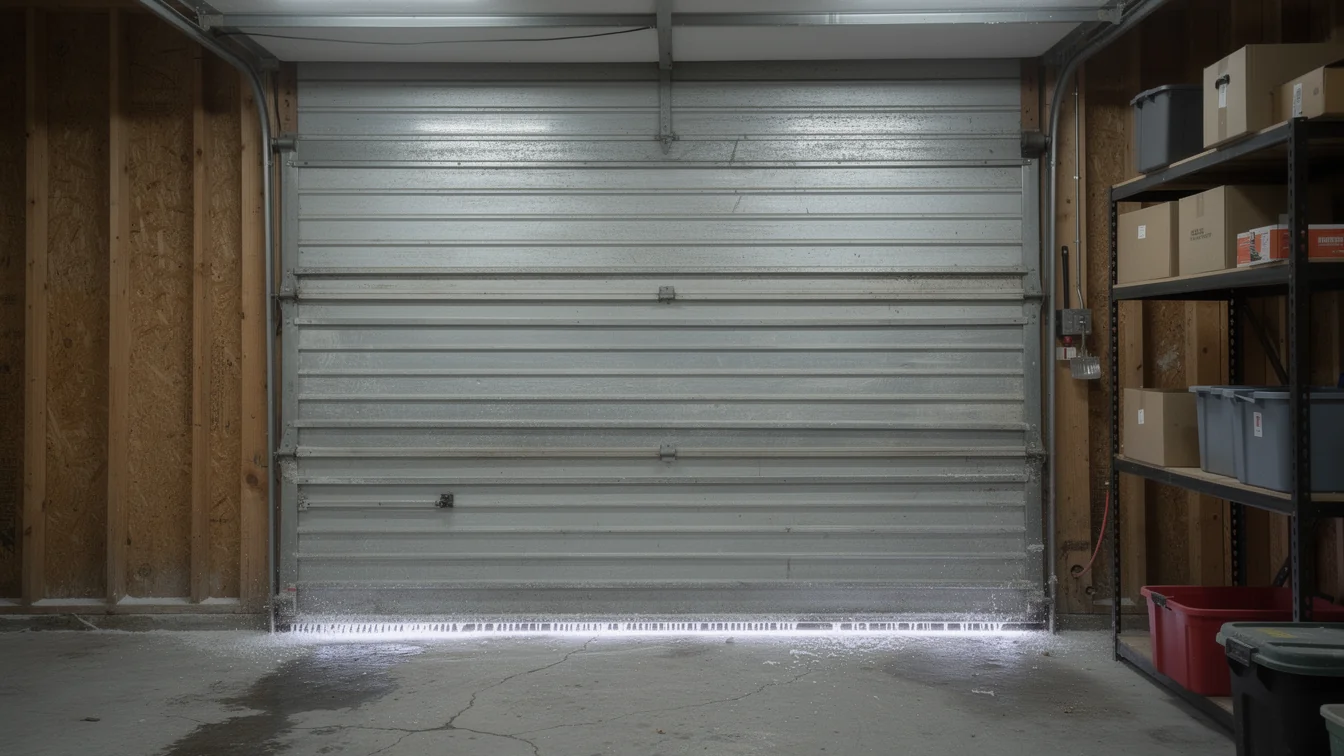
Call before the door fails completely if you notice the garage running noticeably colder than it should, condensation forming on the inside of the panel, or a door that's gotten heavier to lift by hand. In a COLD severe climate band like this one, an uninsulated steel panel from a 1968-era door turns into the coldest surface in the garage, and that's where moisture collects first. Over years, that moisture finds the bottom corners and the roller tracks, and that's when hardware starts to go - not just the panel skin.
Get someone out sooner rather than later if the spring looks stretched or the cable has visible fraying; those aren't insulation problems, they're safety problems, and they don't wait for a convenient week. A door that's merely cold is an energy issue. A door with a compromised torsion spring is a different kind of call entirely.
If the door is original to a house built in that 1960s-70s window and you're already looking at a spring or opener repair, it's worth asking whether replacement makes more sense than patching a panel that was never built to hold heat in the first place.
What we find
Checking It Yourself
Open the garage on a cold morning and put your hand flat against the inside of the door, about chest height. If it feels close to the outside air temperature, there's no insulation layer doing any work - that's consistent with original 1960s-70s stock across most of this area's named sections. Check the bottom seal next; a stiff, cracked, or gapped weatherstrip lets cold air straight through regardless of what the panel itself is made of, and it's the cheapest fix on this list.
Look at the panel edges where sections meet. On older steel doors, warping or a visible gap between panels usually means the door has been through enough temperature swings that the metal has worked loose from the frame over time.
Here's the honest limit: a visual check tells you whether the door is old and leaky. It doesn't tell you whether a spring is near the end of its cycle life or whether an opener's gears are stripped. Those need hands on the hardware, not a flashlight from the driveway. If something feels off beyond cold air and a worn seal, that's a call, not a weekend project.
How we work
What Local Conditions Do
A severe cold climate band doesn't just make an uninsulated door feel drafty - it works the hardware harder. Steel contracts in low temperatures, and a torsion spring or a track that's slightly out of alignment in October can bind or snap in January. That's a bigger factor here than in a mild-winter area, and it's part of why doors from the 1960s-70s building wave tend to show spring and cable failures that cluster in the cold months rather than spreading evenly across the year.
With a median household income of $101,754 across the service area, an insulated replacement door is a realistic upgrade for most homeowners here, not just a repair deferred indefinitely. It won't fix a drafty garage on its own - air still gets in around a bad seal or a gap at the header - but it removes the single biggest heat-loss surface on an older house.
Homes near Leisure Village East and Point Pleasant, both just a few miles off, share the same 1960s-era construction pattern and the same original single-skin doors, so none of this is unique to one street in Brick. It's a function of when this whole stretch of the county got built, not where exactly the house sits.
Questions
Common questions
Is my garage door too old to repair instead of replace?
If it's an original steel door from the 1960s or '70s, the panel itself usually isn't worth repairing once it's dented, warped, or leaking air badly - that steel was never insulated to begin with. Hardware like springs, rollers, and openers can often be repaired on the same door. The panel and the hardware are separate decisions.
Why does my garage feel so much colder than the rest of the house?
If the house dates to the 1960s-70s building wave common across this area, the garage door is likely a single layer of uninsulated steel. In a severe cold climate band, that surface sits close to outside temperature all winter, which pulls down the whole garage and anything attached to it, like a mudroom or laundry room above.
Will an insulated door actually lower my heating bill?
It reduces heat loss through what's usually the largest uninsulated surface on an older house, especially if the garage shares a wall with living space. It won't fix drafts from a bad bottom seal or gaps at the header on its own - those need sealing too for the full benefit.
Recommendation
You Might Also Like
More garage door guides for Brick homeowners.
Replacing a Garage Door in Brick: What the Housing Stock and Winters Mean for You
Thinking about buying a replacement door here in Brick, NJ?
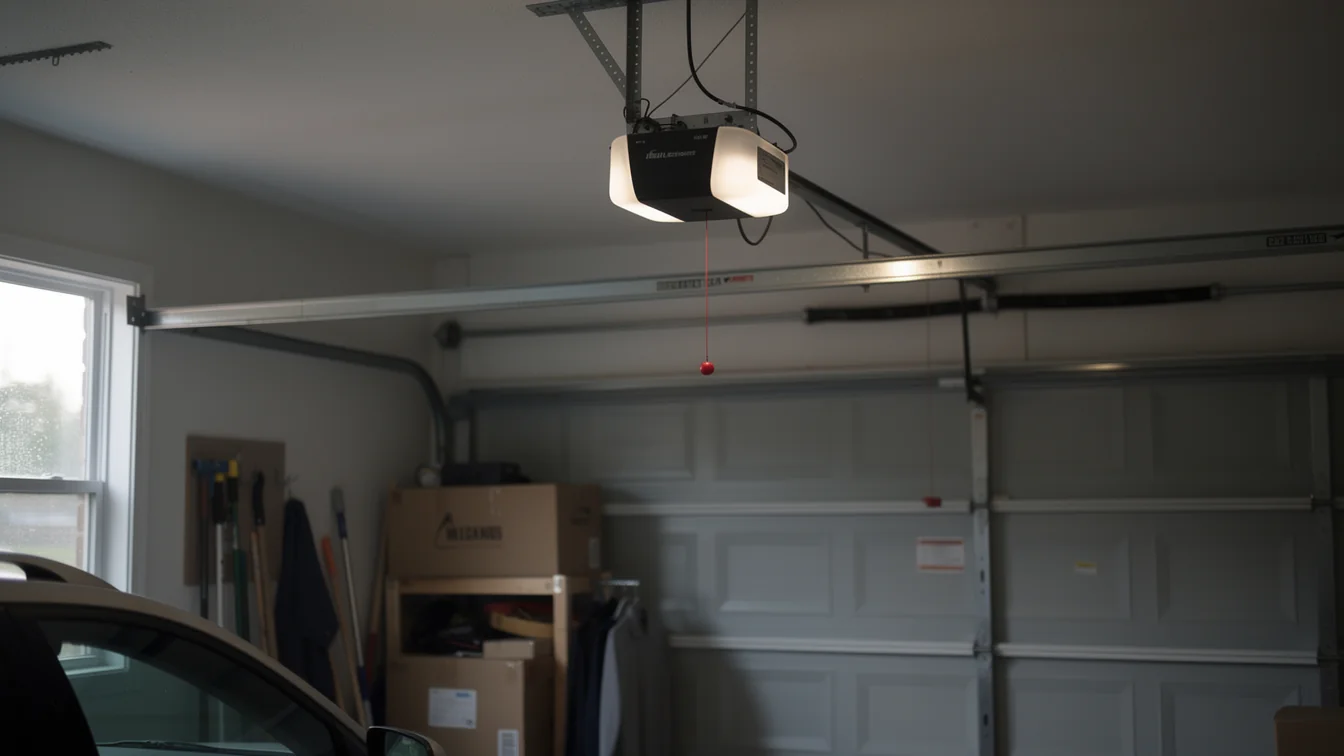 When Your Opener Dies in a Power Cut, Brick NJ Edition
Why Brick's older housing stock and severe cold make openers quit during power cuts, what to check yourself, and when the manual release isn't enough.
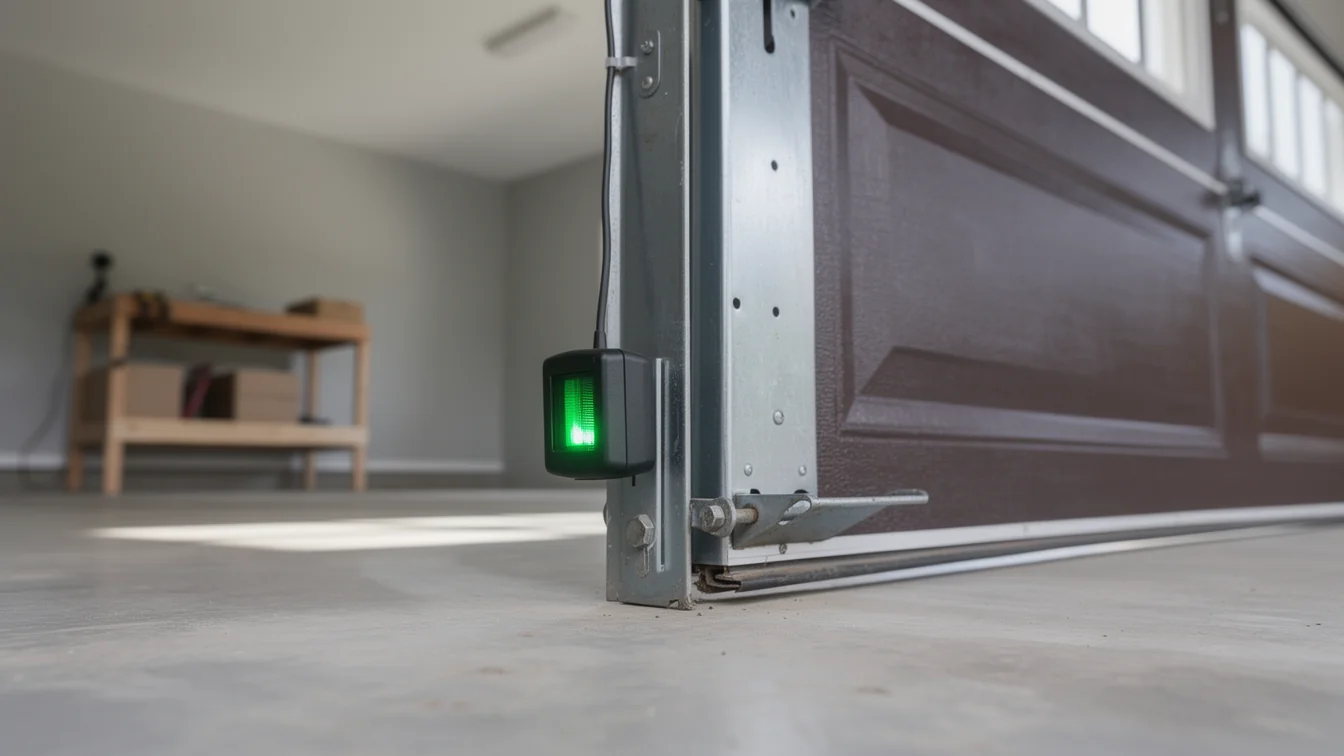 Safety Sensors and Why They Drift in Brick Homes
Why garage door safety sensors in Brick keep drifting out of alignment, tied to this area's 1960s-70s housing stock and cold-climate ground movement, plus when to call Brick Garage Door Pros.
Ready when you are
Need a garage door sorted in Brick?
Brick Garage Door Pros repairs and installs garage doors, springs and openers in Brick, NJ and the surrounding area.