
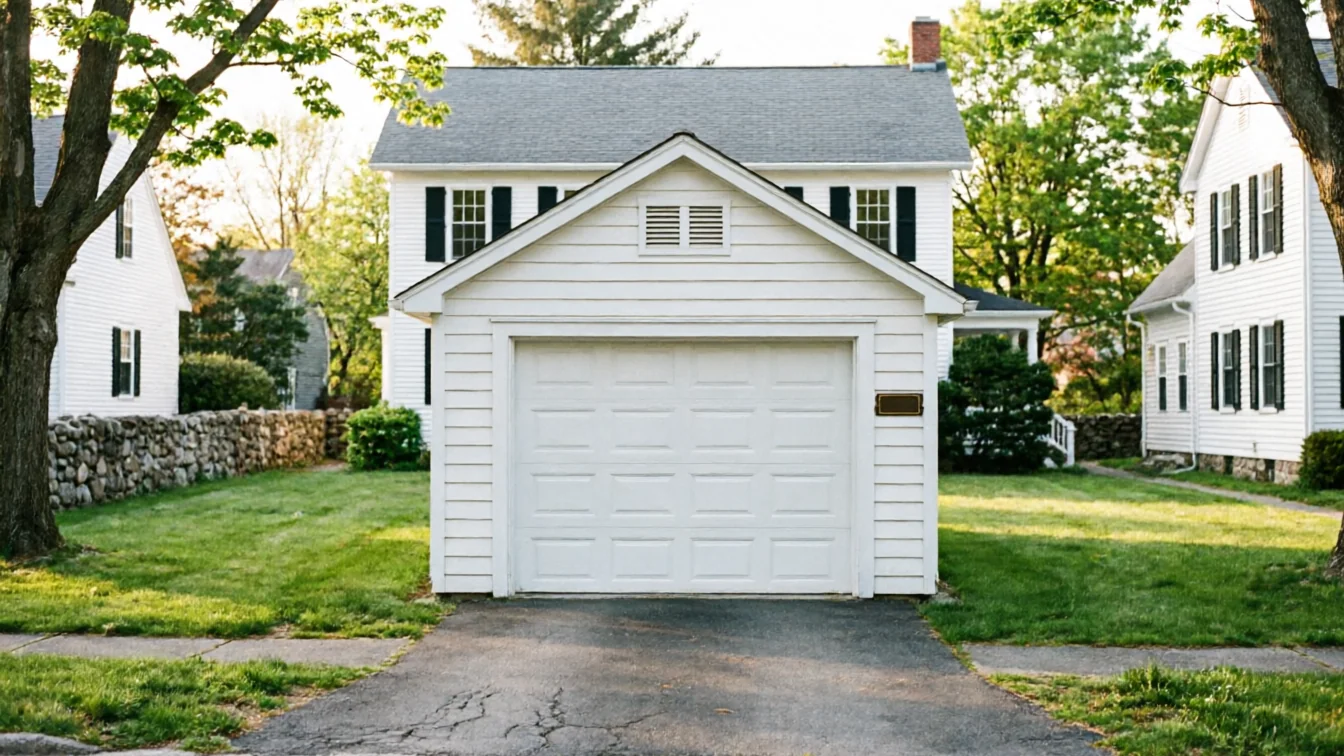
 Attached vs Detached Garage Doors: What Brick Homeowners Deal With
How Brick's 1938-2005 housing stock and cold-severe climate change what goes wrong with attached and detached garage doors, and what to check before you call.
Safety Sensors and Why They Drift in Brick Homes
Why garage door safety sensors in Brick keep drifting out of alignment, tied to this area's 1960s-70s housing stock and cold-climate ground movement, plus when to call Brick Garage Door Pros.
Local detail
What Is Going On
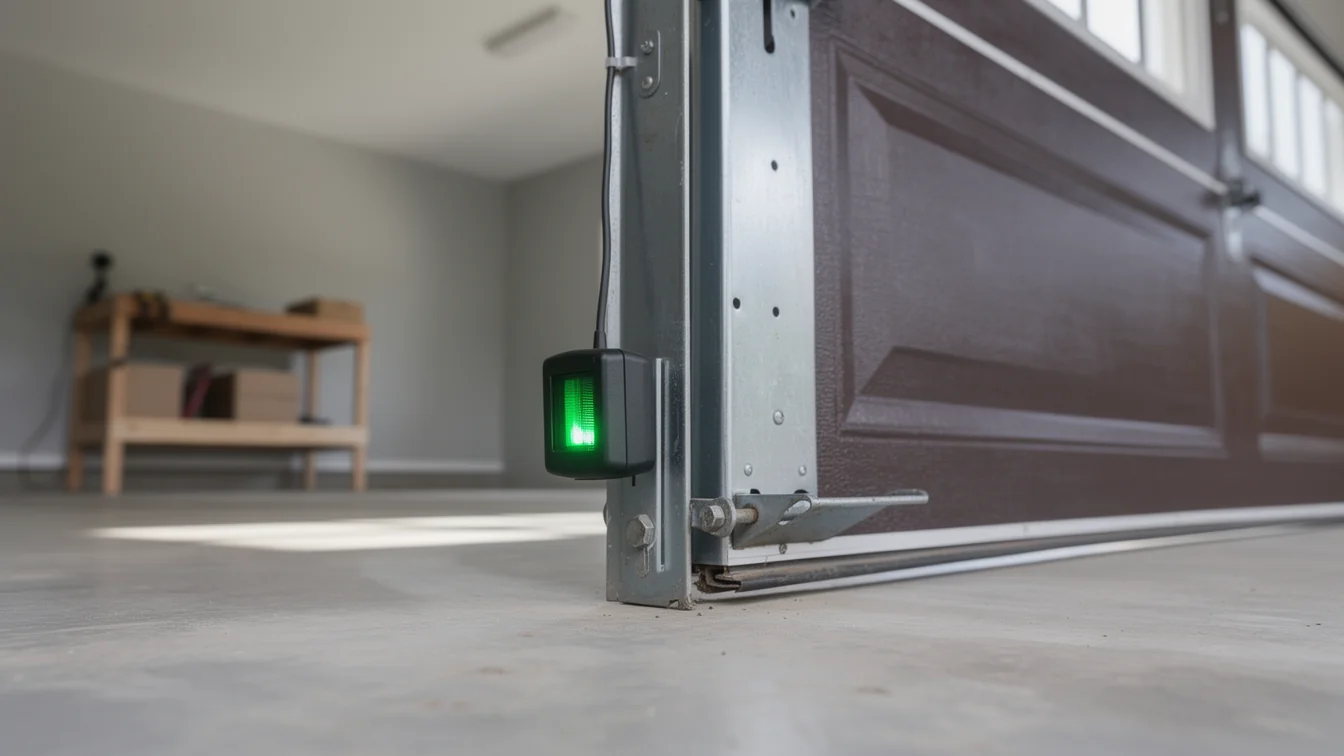
The two small eyes near the bottom of your tracks, usually a few inches off the garage floor, are the safety sensors. They send an infrared beam across the opening, and if anything breaks that beam while the door is closing, the opener reverses. When they drift out of alignment, the door either won't close at all or closes and immediately reverses for no visible reason.
In Brick, a lot of this comes down to the age of the slab they're mounted to. Housing in this service area was mostly built between 1938 and 2005, with a median build year around 1968, and the bulk of the stock across the fifty-plus named areas here dates to the 1960s and 70s. A garage that old has had decades for the concrete to settle, for the bracket screws to work loose, and for a previous owner to have bumped a sensor with a lawnmower or a bike at some point. None of that is dramatic, but it adds up to brackets that are a few degrees off true, which is all it takes.
It's rarely the sensor itself failing. It's almost always the mount, the wiring, or something blocking the beam.
The area
When to Get Help
Call if the opener light blinks a set number of times when you try to close the door and the door won't go down, or if it closes a few inches and reverses every single time with nothing in the way. That's the opener telling you the sensors aren't talking to each other, not a random glitch.
Also call if you've already tried wiping the lenses and nudging the brackets by hand and it still won't hold alignment for more than a day. On houses built in the 1960s and 70s range common across this area, the bracket itself is often the real problem, not the sensor, and a bent or cracked bracket needs to be replaced and reset, not just adjusted.
We don't recommend rewiring sensor circuits yourself if you're not comfortable with low-voltage wiring. That part of the job is quick for us and easy to get wrong on your own, especially if a wire has been nicked by a mouse or chewed through insulation over the years, which does happen in older garages.
What we find
Checking It Yourself
Before you call anyone, there's a five-minute check worth doing. Look at both sensor lenses and wipe them with a dry cloth - dust and cobwebs block the beam just as well as a bent bracket does. Then kneel down and sight across both lenses at eye level. If one is pointed slightly up or down compared to the other, that's your problem.
Most brackets have a single bolt holding them to the track or wall plate. Loosen it slightly, square the sensor up by eye, and snug it back down. The small LED on each sensor should go from blinking to solid once both units see each other.
If the bracket itself wiggles in the wall or slab because the mounting screws have stripped out - common in garages built decades ago on original hardware - that's a sign the fix is a new bracket, not just a tighter screw. We won't pretend a wiggly 1960s-era bracket is going to hold alignment through another winter just because you tightened it once.
How we work
What Local Conditions Do
This area sits in a cold-severe climate band, which means the ground under a garage slab goes through real freeze-thaw cycles every winter and spring. That movement doesn't just crack driveways - it shifts the slab enough to throw off sensor brackets that are bolted directly to it or to the wall right above it. A bracket that was square in October can be off by enough to matter by February.
That's a big part of why sensor alignment calls pick up seasonally here rather than staying flat year-round. It's not that the hardware wore out overnight; it's that the slab moved under it. Garages on the original 1960s-70s concrete common across this area tend to see more of this than newer construction with reinforced footings.
Given the median household income in this service area is $101,754, most owners we talk to would rather pay for a proper bracket reset once than keep nudging a loose one every few months. That's a reasonable call. We serve Brick and the surrounding area, including places like Leisure Village East about 2 miles out and Lakewood around 5 miles away.
Questions
Common questions
Why does my garage door reverse every time it closes even with nothing blocking it?
That's almost always a sensor alignment problem, not an obstruction. One sensor is pointed slightly off from the other, so the opener thinks something is in the way even when the path is clear. Check both lenses for dust first, then sight across them to see if one is tilted compared to the other.
Why do my sensors seem to need adjusting every winter?
This area sits in a cold-severe climate band, and the ground under garage slabs goes through freeze-thaw movement each season. That shift can nudge a sensor bracket mounted to the slab or the wall above it just enough to throw off alignment, especially on older concrete common in homes built in the 1960s and 70s here.
Can I just unplug the sensors so the door closes without them?
You can physically disconnect them, but we don't recommend it. They're a required safety feature, and disabling them removes the one thing that stops the door closing on a person, a pet, or a car bumper. If alignment keeps failing, the fix is a proper bracket reset, not removing the sensors.
Recommendation
You Might Also Like
More garage door guides for Brick homeowners.
Attached vs Detached Garage Doors: What Brick Homeowners Deal With
How Brick's 1938-2005 housing stock and cold-severe climate change what goes wrong with attached and detached garage doors, and what to check before you call.
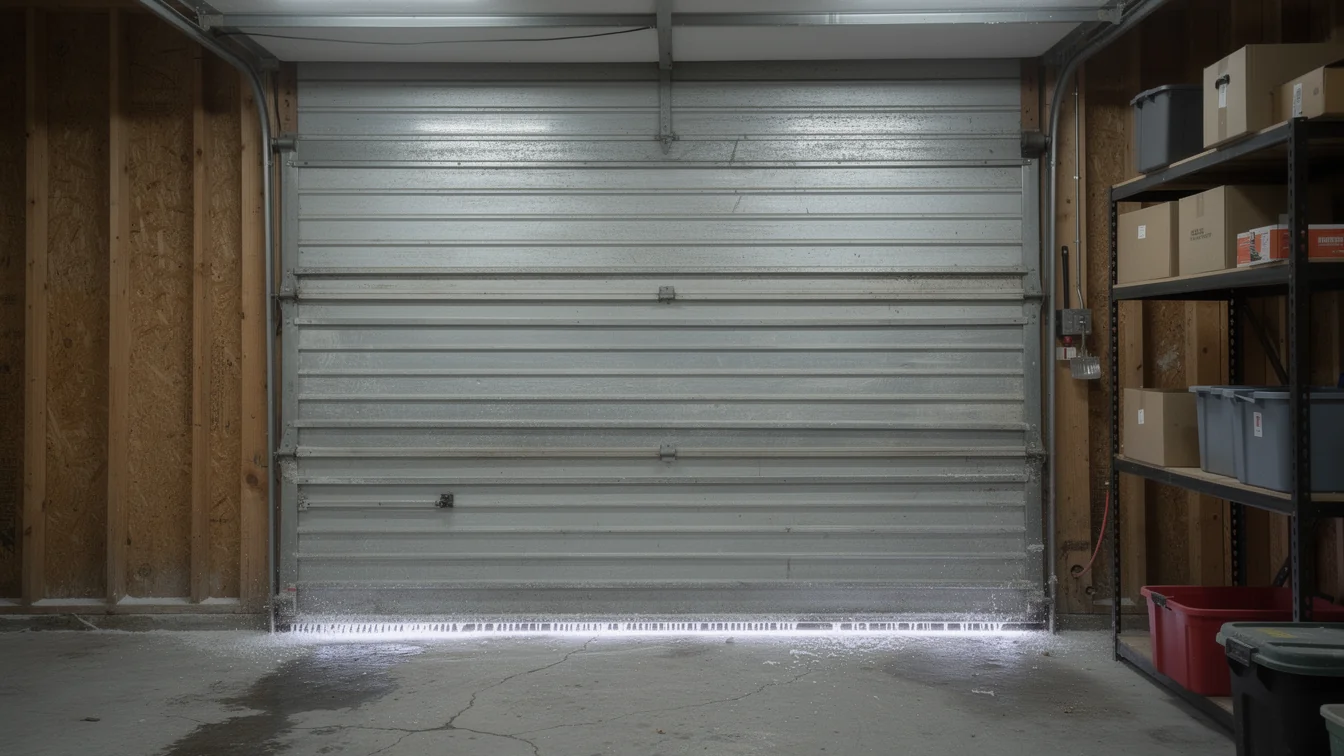 What Brick's Older Housing Stock Means for Your Garage Door
Most Brick, NJ garage doors date to homes built 1938-2005, many with no insulation for this area's severe cold winters.
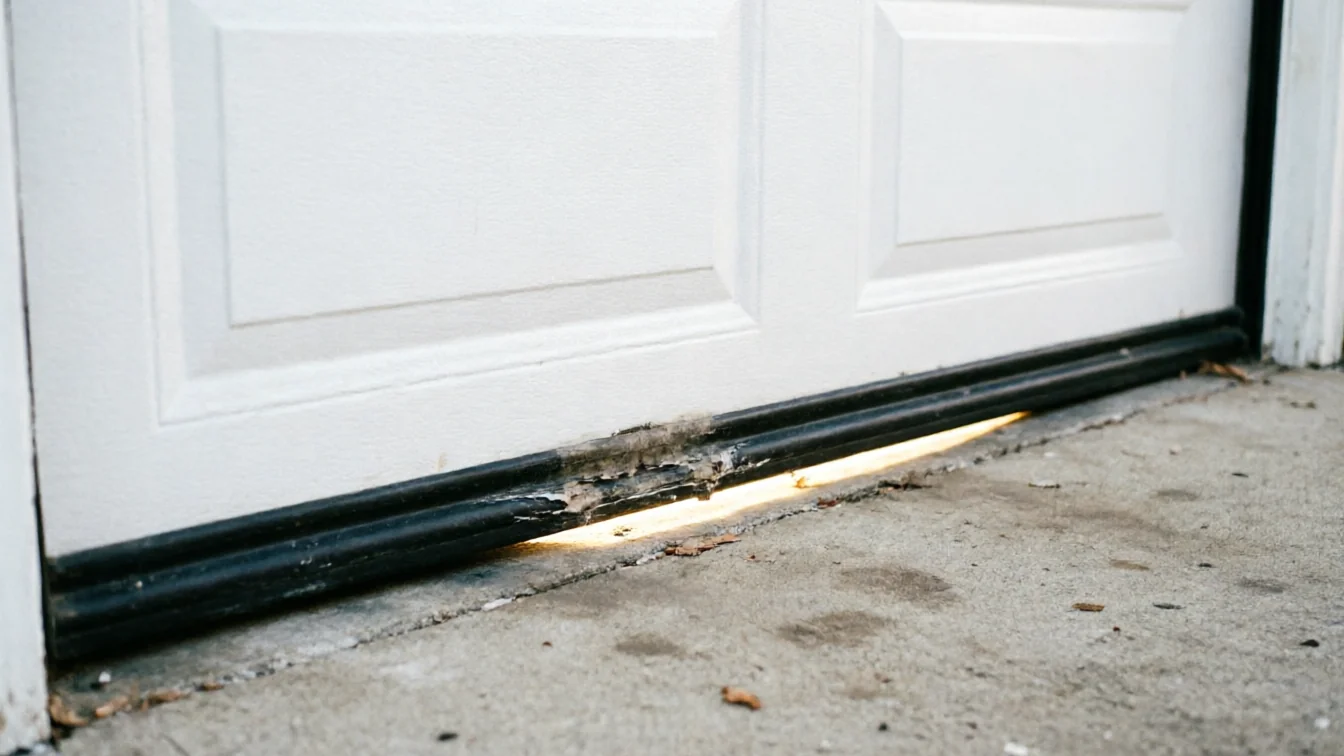 Weather Seals and Draughts in Brick Garage Doors
Brick's housing stock dates mostly to the 1960s and 70s, and the cold-climate band here means worn weather seals turn into real drafts.
Ready when you are
Need a garage door sorted in Brick?
Brick Garage Door Pros repairs and installs garage doors, springs and openers in Brick, NJ and the surrounding area.