 Brick, NJ
Manasquan, Brick
New Garage Doors for Manasquan's 1960s-Era Homes
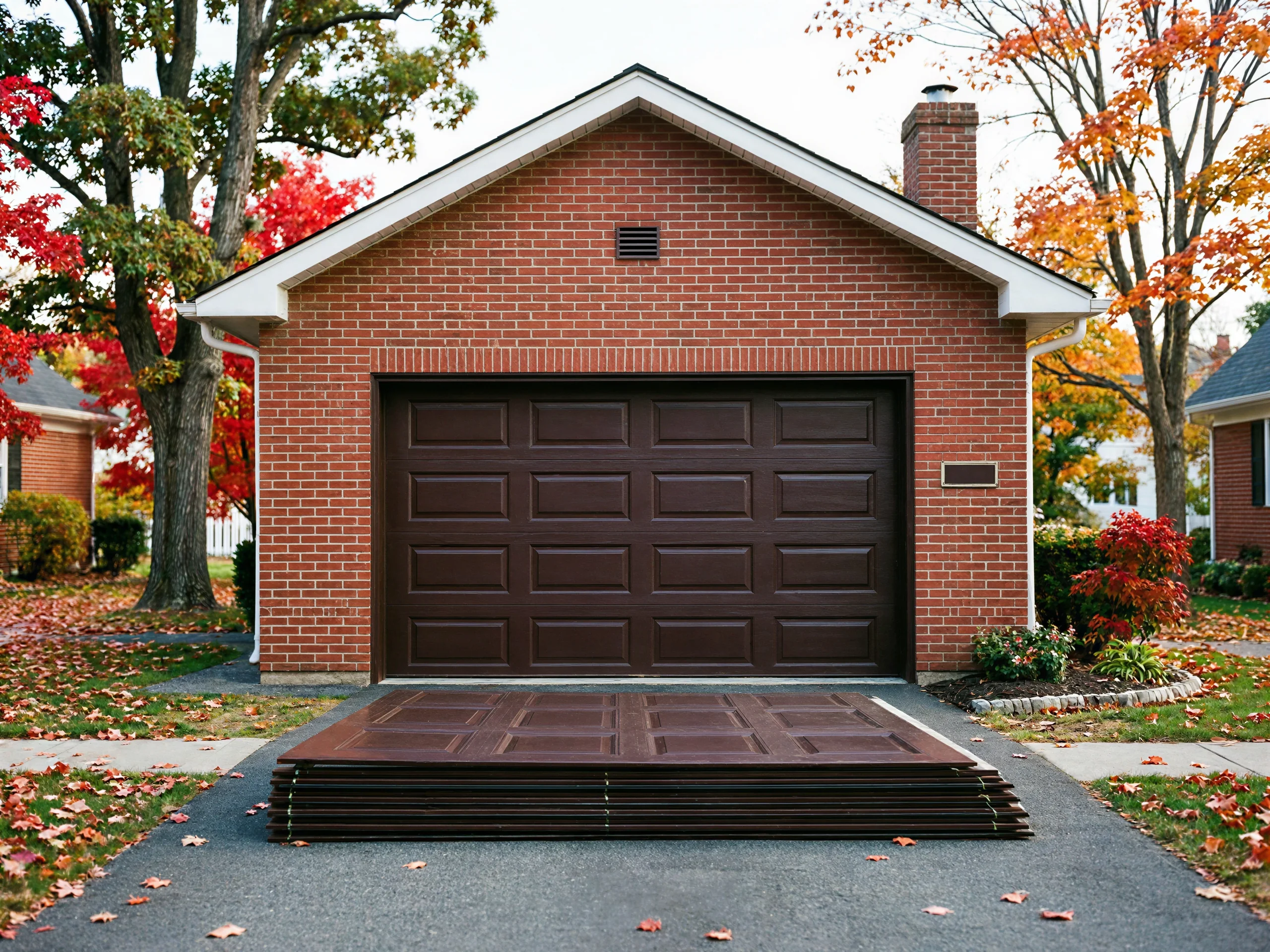
Manasquan's housing dates to about 1960, often pre-insulation doors on old hardware. We install new doors here, traveling 6 miles from our Brick base.
What the Repair Takes
Most garages in Manasquan went up around 1960, back when a one-piece wood or plain steel slab on overhead extension springs was the standard door.
Old door removal differs
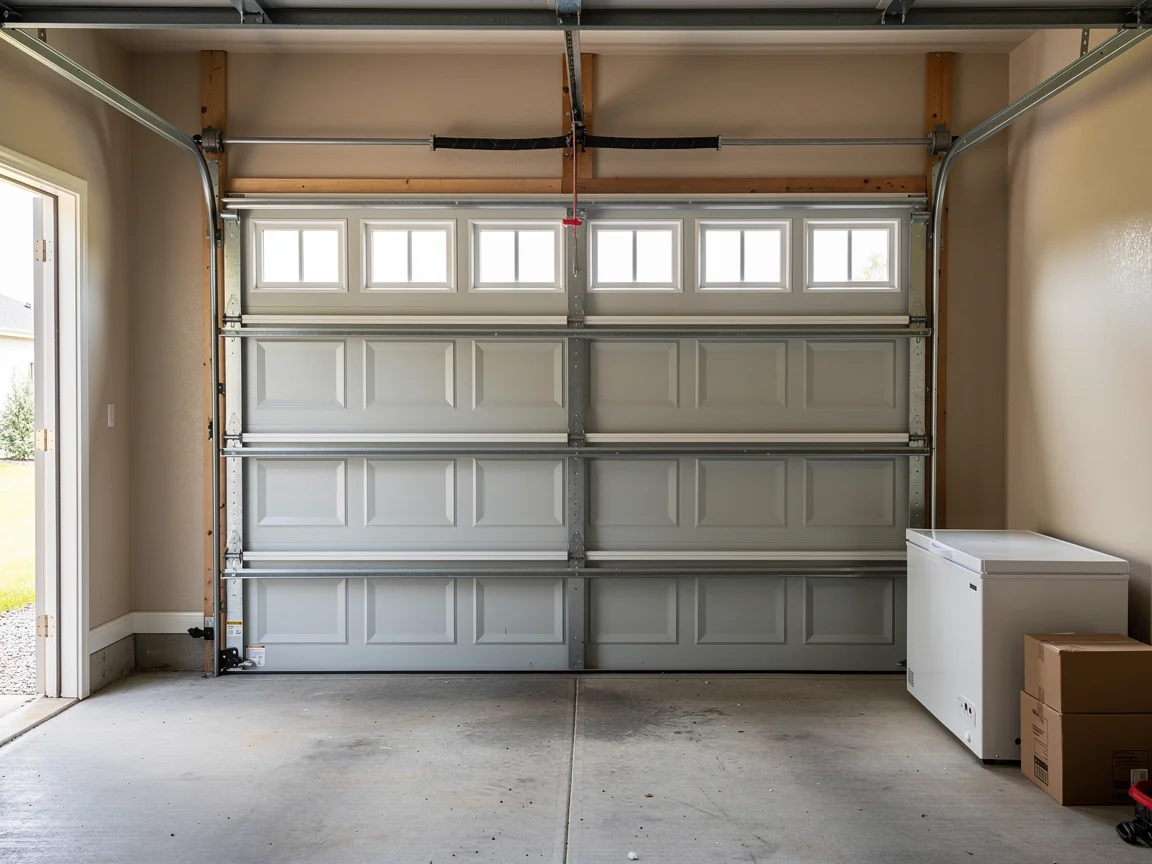
There was no foam core, no weatherstrip worth mentioning, and the opener, if there even was one, ran on hardware nothing like what's made now. Swapping that out for a new door isn't a bolt-for-bolt trade. We pull the old slab and the extension-spring rail, and in most cases convert the header to torsion hardware, since that's what every new door on the market is built to run on.
Jamb squaring before install
The jamb usually needs squaring too - framing settles over sixty-some years, and a door that looks square on the outside can be a quarter inch out at the top corner. We check both jambs before we ever unbox the new door, because a door hung on an out-of-square frame binds on the rollers within a year no matter how good the door itself is.
Carpentry first on framing
What we don't do is force a modern door onto rotted or undersized framing just to save a trip. If the header's soft or the opening's narrower than code allows for the new unit, that carpentry comes first.
How Long You Are Without the Door
On a straightforward swap - same opening size, header already sound - the old door comes down and the new one goes up and gets balanced the same day. The opening doesn't sit uncovered overnight.
Where Manasquan's older stock slows things down is framing work. If the header needs sistering or the track mounts need new backing because the original studs were sized for a lighter door, that's a second piece of work layered onto the install, and we tell you about it before we start, not after the opening is half torn apart.
This area sits in a severe cold climate band, and that matters more here than it would somewhere milder - an open garage bay overnight in a hard freeze isn't just an inconvenience, it's pipes and anything stored near the shared wall. We plan install day around finishing the opening closed, not around convenience.
The Complications
The main complication on 1960-built houses is opening size. Door widths and header heights from that era don't always match today's standard panel sizes, so a new door sometimes has to be special-ordered to the opening rather than the opening being reframed to fit a stock door - reframing a masonry or block-foundation opening is a bigger, costlier job than most homeowners expect for what started as a door swap.
Undersized garage circuit
The second complication is wiring. Openers weren't standard equipment when these houses were built, so the circuit near the garage is often undersized or simply not there, run later as an afterthought extension cord through the wall.
Electrician for dedicated line
We check the outlet before we mount a new opener, because running a dedicated line is an electrician's job, not ours, and we'll say so rather than hang an opener on a circuit it'll trip.
Upgrades don't change framing
Manasquan's household income runs well above the service area median, and the newer-door upgrades we see requested most here - insulated panels, quieter belt-drive openers - reflect that. None of it changes the framing math underneath, though.
What You Are Seeing
If your door is the original one that came with the house, you're likely looking at a steel or wood slab with no insulation layer, extension springs mounted along the horizontal track rather than a torsion bar over the header, and a lift mechanism that's loud because there's no cushioning anywhere in the system.
Bottom-seam rust bleed
Panels on doors this old often show rust bleed at the bottom section first, where decades of ground moisture and salt air off the coast work on the seam.
Sagging panels and daylight
Sagging at the center of the top panel, daylight visible around the perimeter when it's closed, and a door that's noticeably heavier to lift by hand than it should be are the usual tells that the door itself, not just the opener, is past its working life.
Fatigued panels need replacement
None of those are repair jobs - once the steel's fatigued or the wood's delaminated at the panel joints, a new door is the honest answer, and we'll tell you that straight rather than patch a slab that's done.
Stocked Parts
The truck out of Brick carries the torsion springs, cable, and standard track sections that fit the door widths most common across this area's 1960s-70s building run - that covers the large majority of installs we do here without a special order. New insulated sections in standard widths and the usual run of belt and chain openers are stocked too.
What isn't on the truck: non-standard width panels for an opening that's narrower or wider than today's typical sizes, which does happen on houses this old, and specialty finishes like wood-look composite in odd widths. Those get ordered once we've measured the opening, and lead time runs longer than a same-week job - that's the one honest limitation here, and it's worth knowing before you set your mind on an install date.
Questions
Common questions
Will a new door fit my original 1960s opening without reframing?
Often yes - most openings from that era match a common standard width, and we stock those sizes on the truck. Narrower or taller original openings sometimes need the header adjusted, which we check and quote before ordering the door, not after.
Do you install a new opener circuit if mine doesn't have one?
No - running a dedicated electrical line is an electrician's job. We'll check your existing outlet, tell you if it's undersized for a new opener, and point you to get that wiring done first rather than hang an opener on a circuit that'll trip.
How far out is Manasquan from your shop?
About 6 miles from our base in Brick. We travel to Manasquan for installs; there's no separate branch or depot in town.
Why does my 60-year-old door feel so much heavier to lift than newer ones?
No insulation core and steel that's fatigued over decades both add weight and remove any spring assist cushioning. A new door with a foam core and matched torsion springs lifts with far less effort - that weight difference is usually the clearest sign it's time to replace rather than patch.
Explore more
More Services in Manasquan
Emergency Garage Door
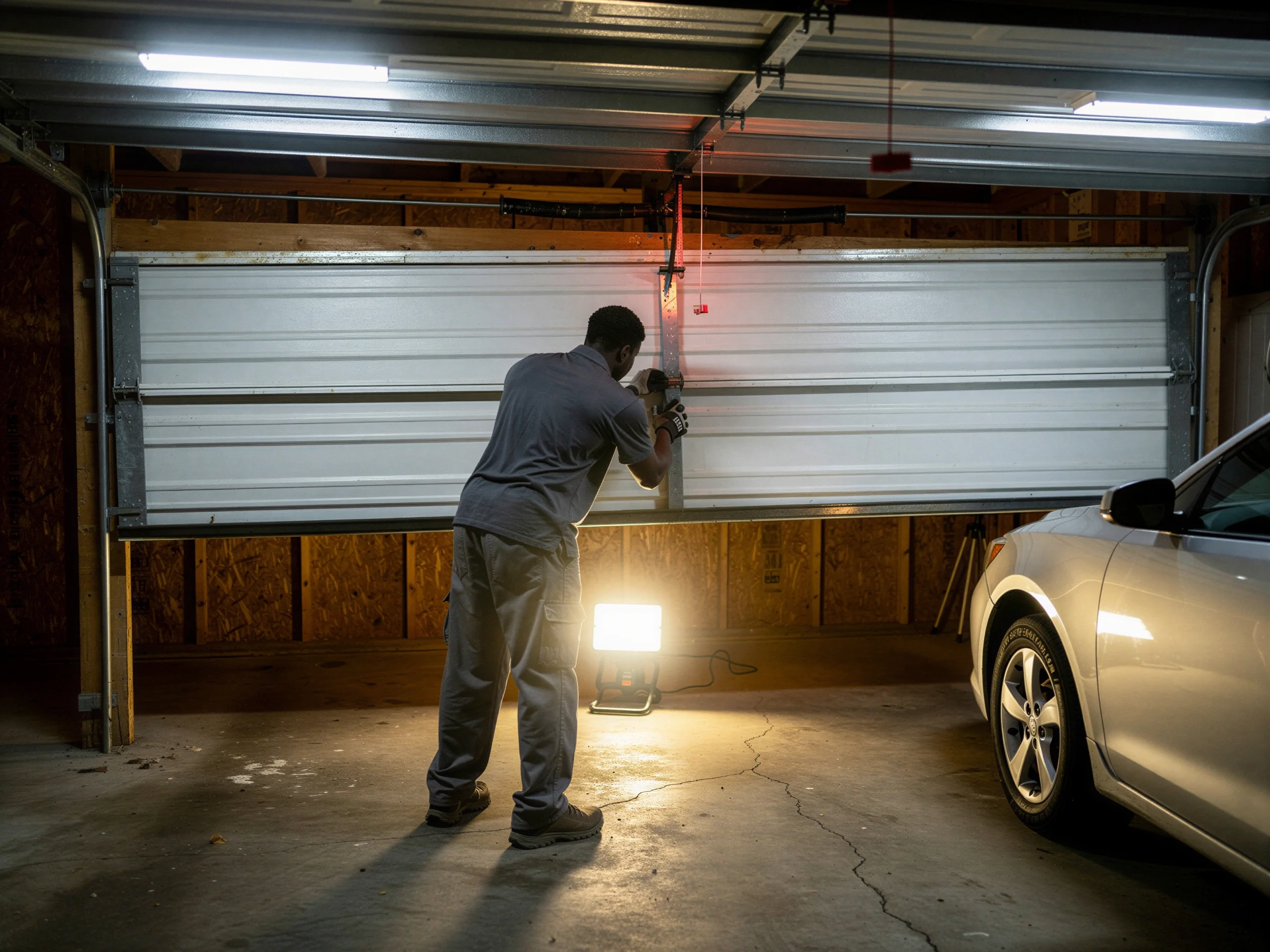
Emergency garage door repair for Manasquan, six miles from Brick: 1960s torsion hardware, cold-climate spring wear, and the parts the truck carries most. Learn more →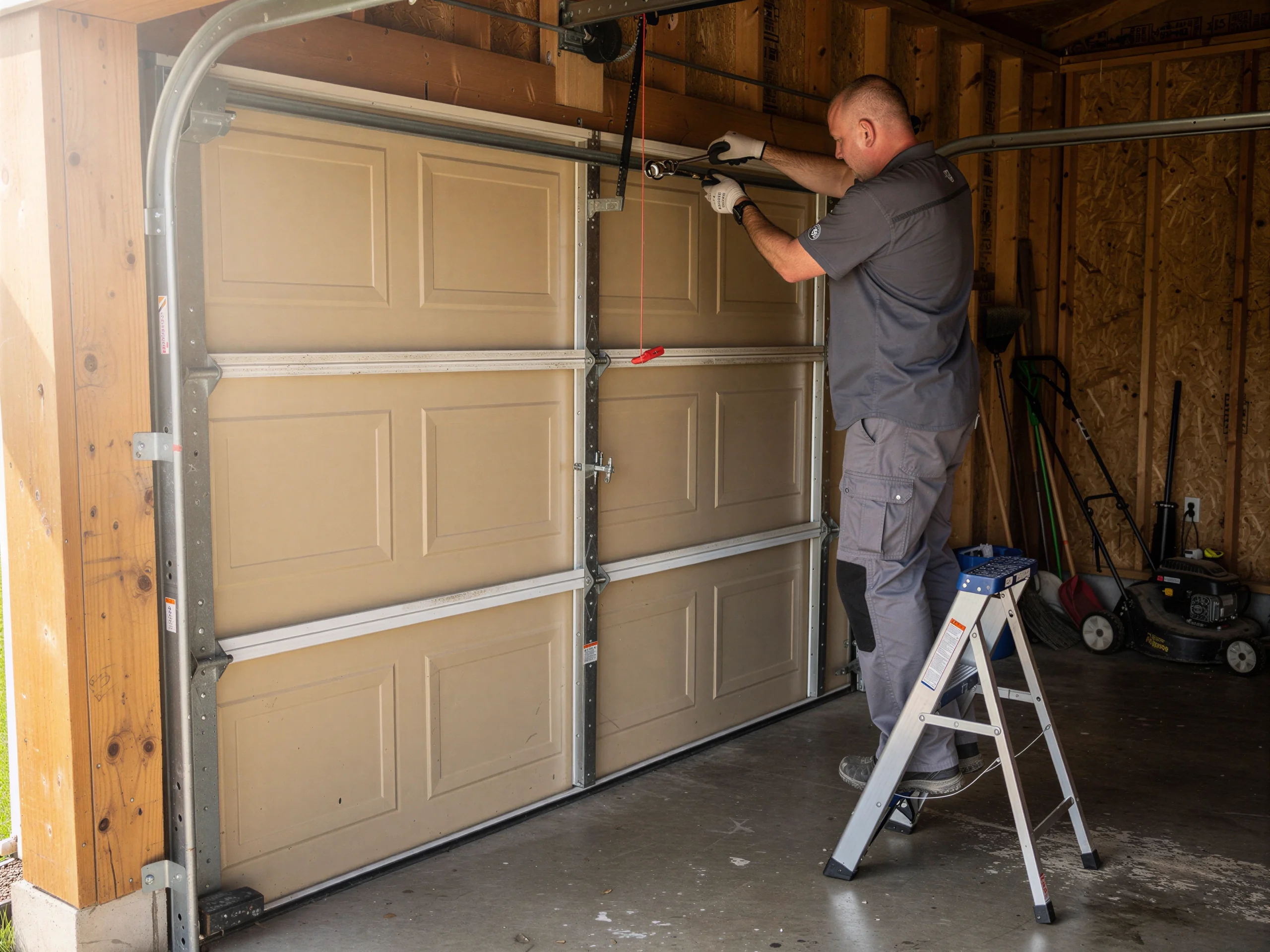
Garage Door Repair
Manasquan homes went up around 1960, eight years ahead of the service area's median. Learn more →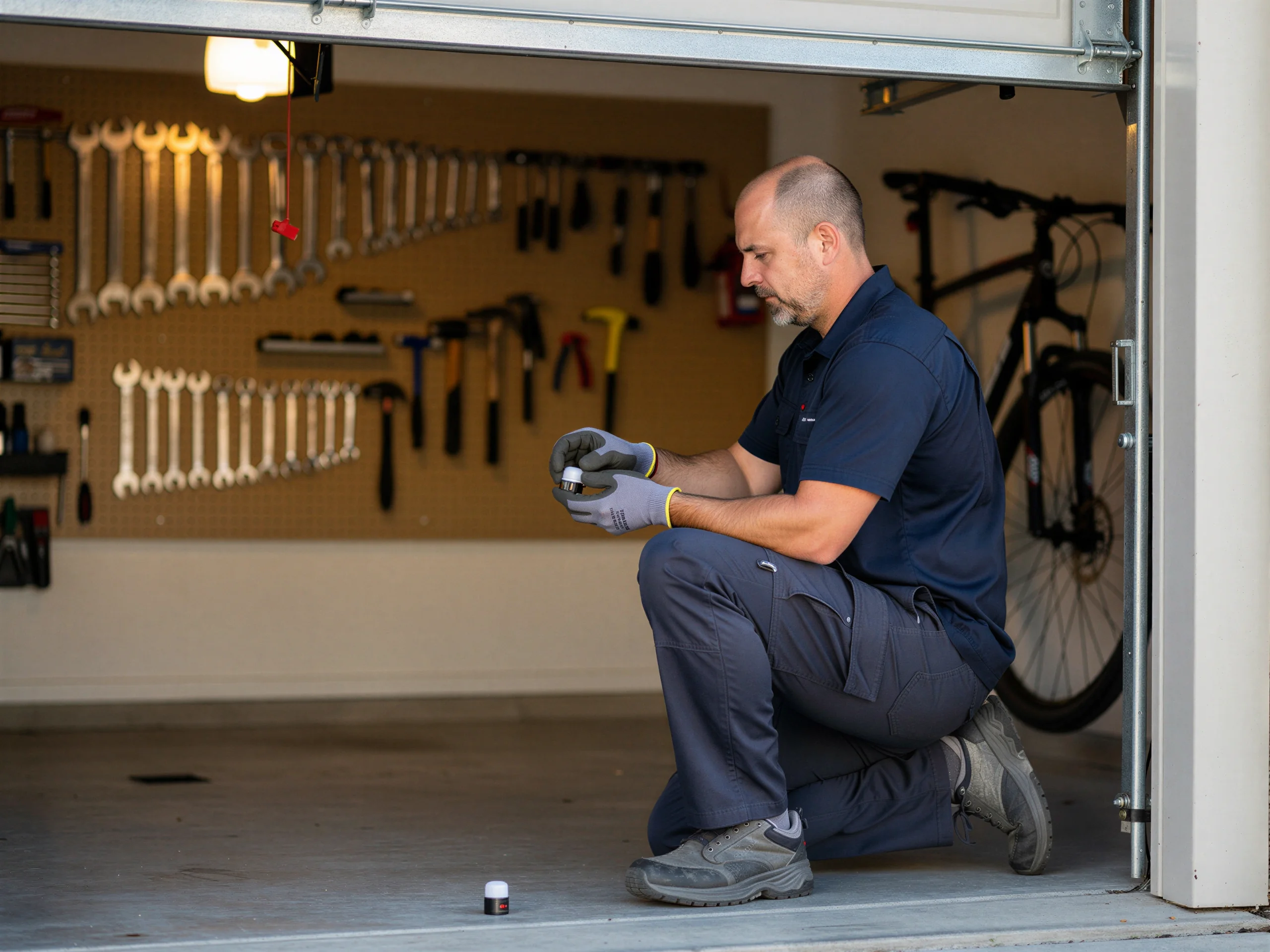
Garage Door Service
Garage door repair for Manasquan, NJ, where most houses went up around 1960. Learn more →
Maintenance
Manasquan runs about 2,513 households, most with doors from the early 1960s. Learn more →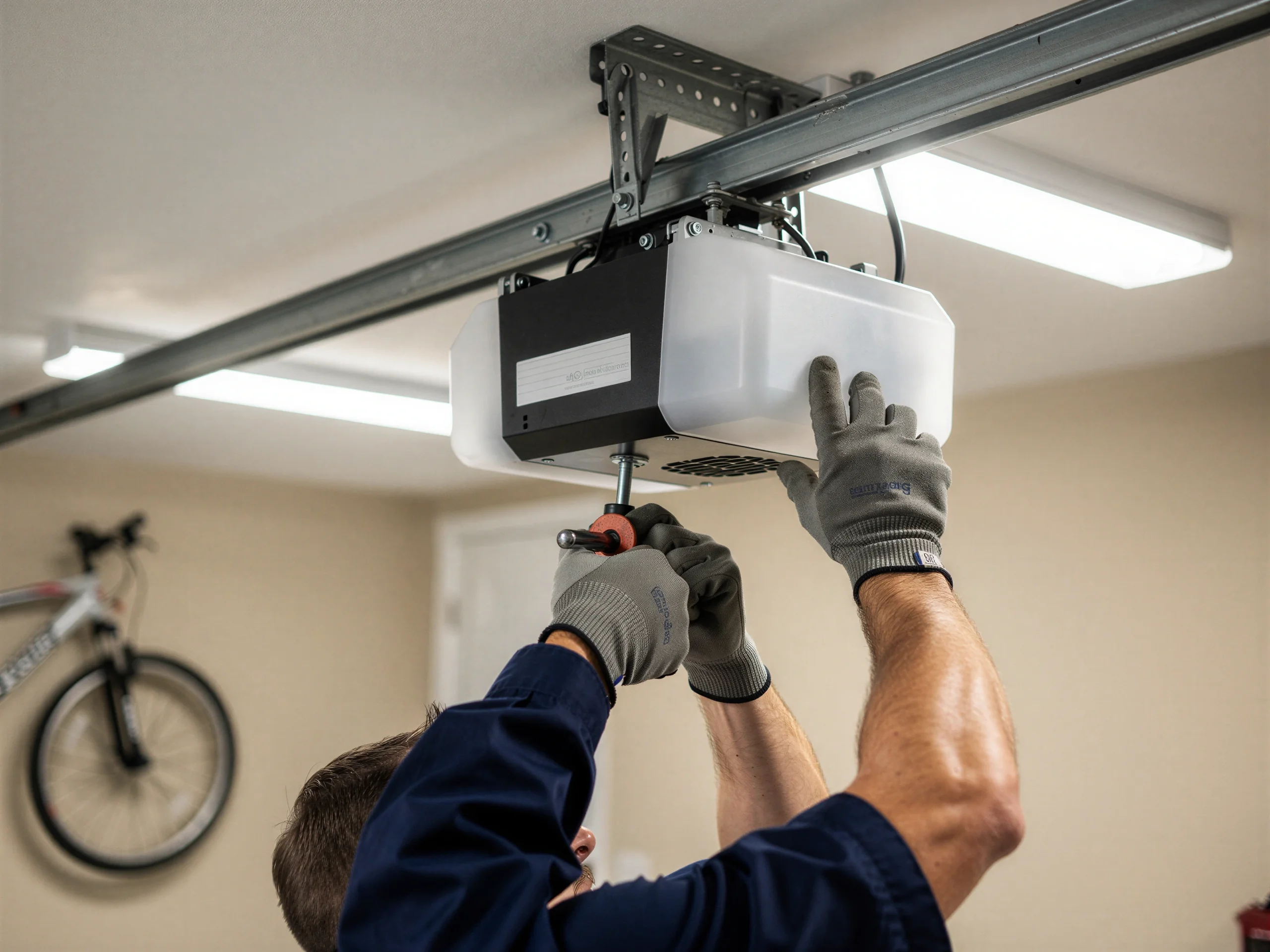
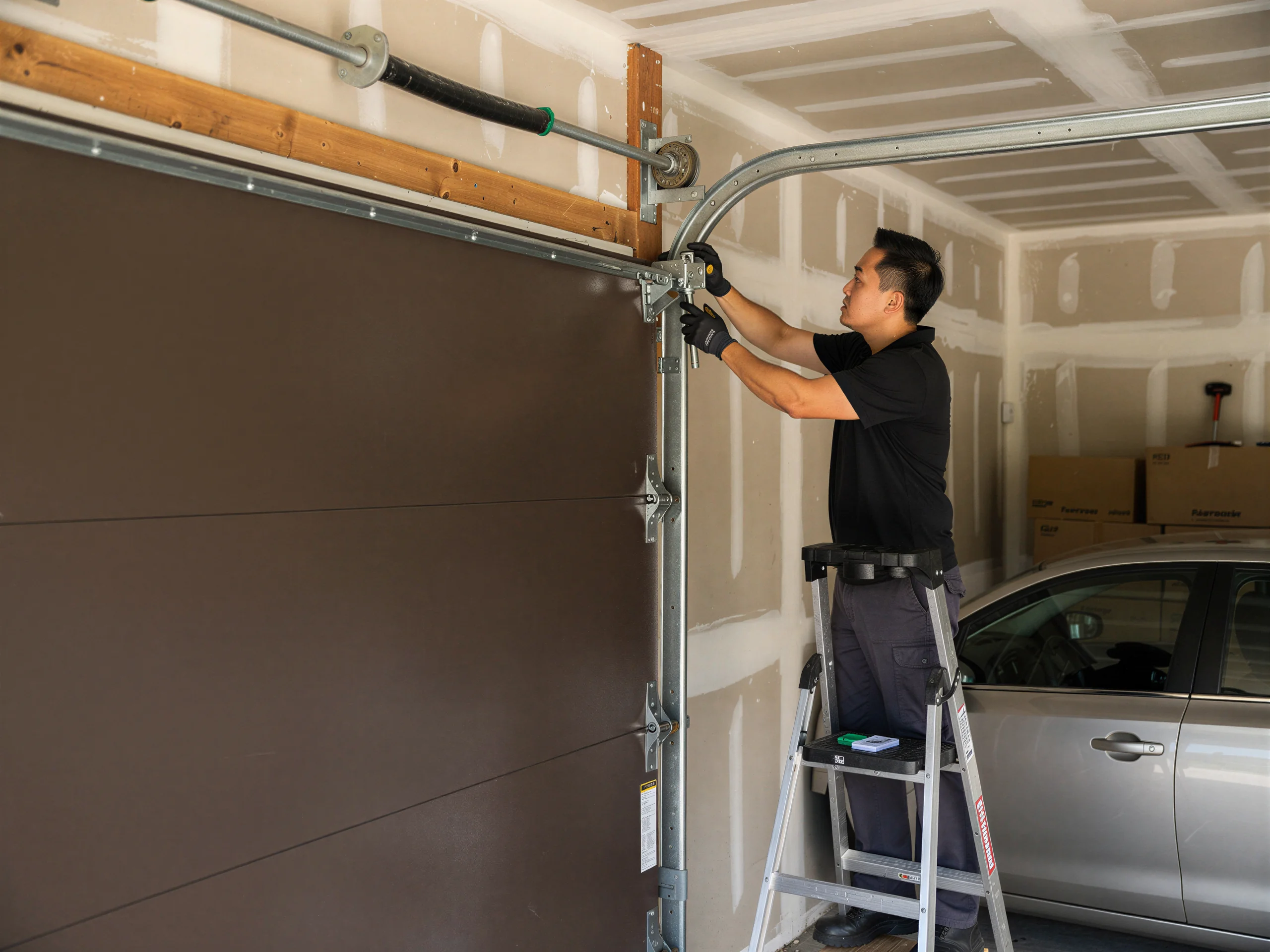
Roller Replacement
Manasquan homes run older than the Brick average - median build year 1960 means steel rollers worn thin by decades of coastal cold. Learn more →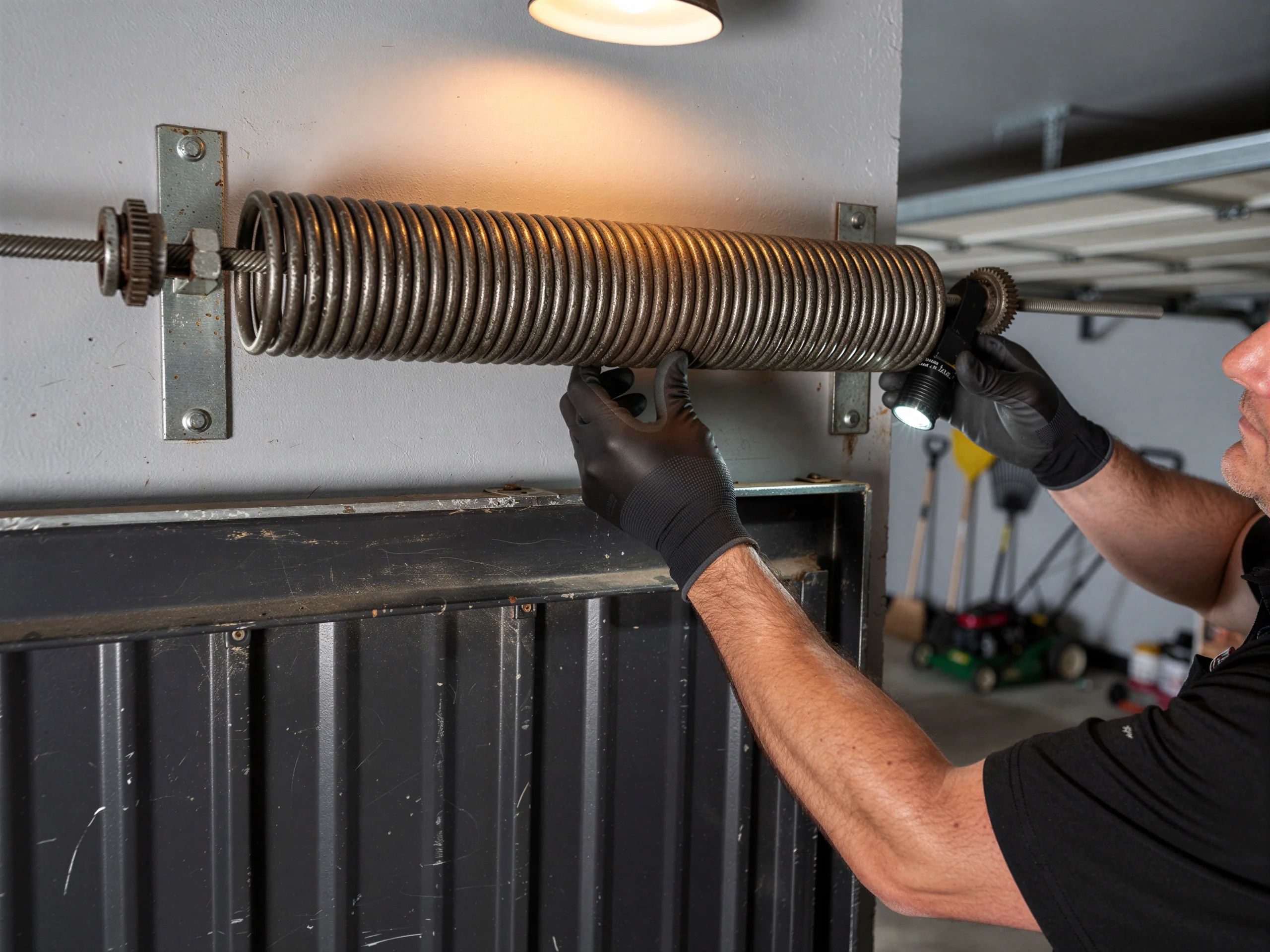
Ready when you are
Ready for a new garage door in Manasquan?
Brick Garage Door Pros repairs and installs garage doors, springs and openers in Brick, NJ and the surrounding area.